
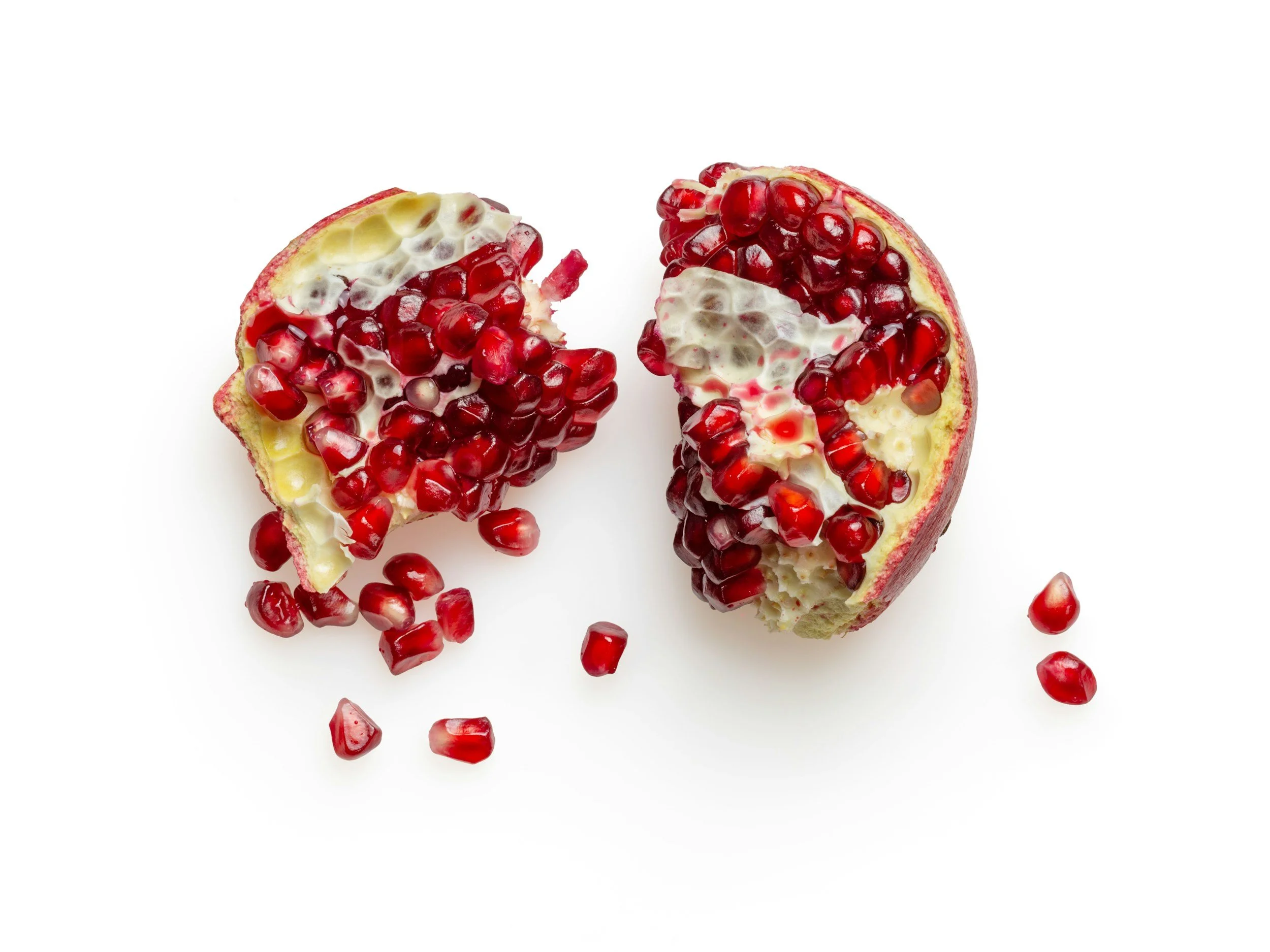
Growing Our Pomegranate Selections
-
Fruiting:
Pomegranates may take a couple of years after planting to start fruiting.Size:
As pomegranates natural growth habit is that of a shrub, prunning and training may be needed to create a tree-like form.Chill hours:
Typically not considered as they have no or extremely low chill hour requirements.Cross pollination:
All will produce abundant crops without cross pollination.Air Flow - Air movement, even the slightest breeze, is key to dry the leaves from the morning dew. Without it your persimmon may be prone to leaf fungal problems.
-
In the Bay Area, the best growing conditions for pomegranates involve full sun, well drained soils, and good airflow.
Specific Growing Conditions:
Sunlight:
Pomegranates need a minimum of six to eight hours of direct sunlight per day to fruit well.Soil:
Well-drained, sandy loam soil high in organic matter is preferred however, they are very adaptable to most soil types.Irrigation:
Established pomegranates require some to little irrigation during dry periods of our year. Typically, a well-established tree may only need a slow deep watering every 14-21 days in the East Bay, best 14 days inland. A newly planted tree will need lighter more frequent watering.Mulch:
Mulching helps regulate soil temperature, retain moisture, and suppress weeds.Fertilization:
Supplemental fertilization is typically not needed unless the plant shows signs of deficiency. Use a well balance fruit tree fertilizer as needed.Pruning:
Pruning pomegranates is done more out of a need to control the size or shape of the plant over the need for fruit production.
-
Most Common Pests:
Aphids:
These tiny insects suck sap from leaves and fruit, causing damage and potentially spreading diseases.Scale:
Various types of scale insects can infest Peach trees, suck sap and weaken the tree.
Controls
Aphids and Scale can be controlled with Fertilome’s ’Neem’ which is approved for organic gardening. As with other oil-based garden sprays it is best to apply either in the very early morning or evening to prevent leaf burn. If pollinators are present, apply in the evening after foraging activity has stopped.
Most Common Diseases:
Powdery Mildew:
This is the most prevalent disease we contend with in the Bay Area. It is a fungal disease that causes a white powdery growth on leaves and young twigs, eventually leading to leaf and twig death if left untreated.
Controls
Powdery Mildew can be controlled with Fertilome’s Spinosad Soap, a bio-insecticide that will also control many of the pests listed above. Apply Spinosad Soap in the evening after bees have stopped foraging to prevent harm. This product is considered bee safe 3 hours after application.
~ This list may not accurately represent our current stock ~
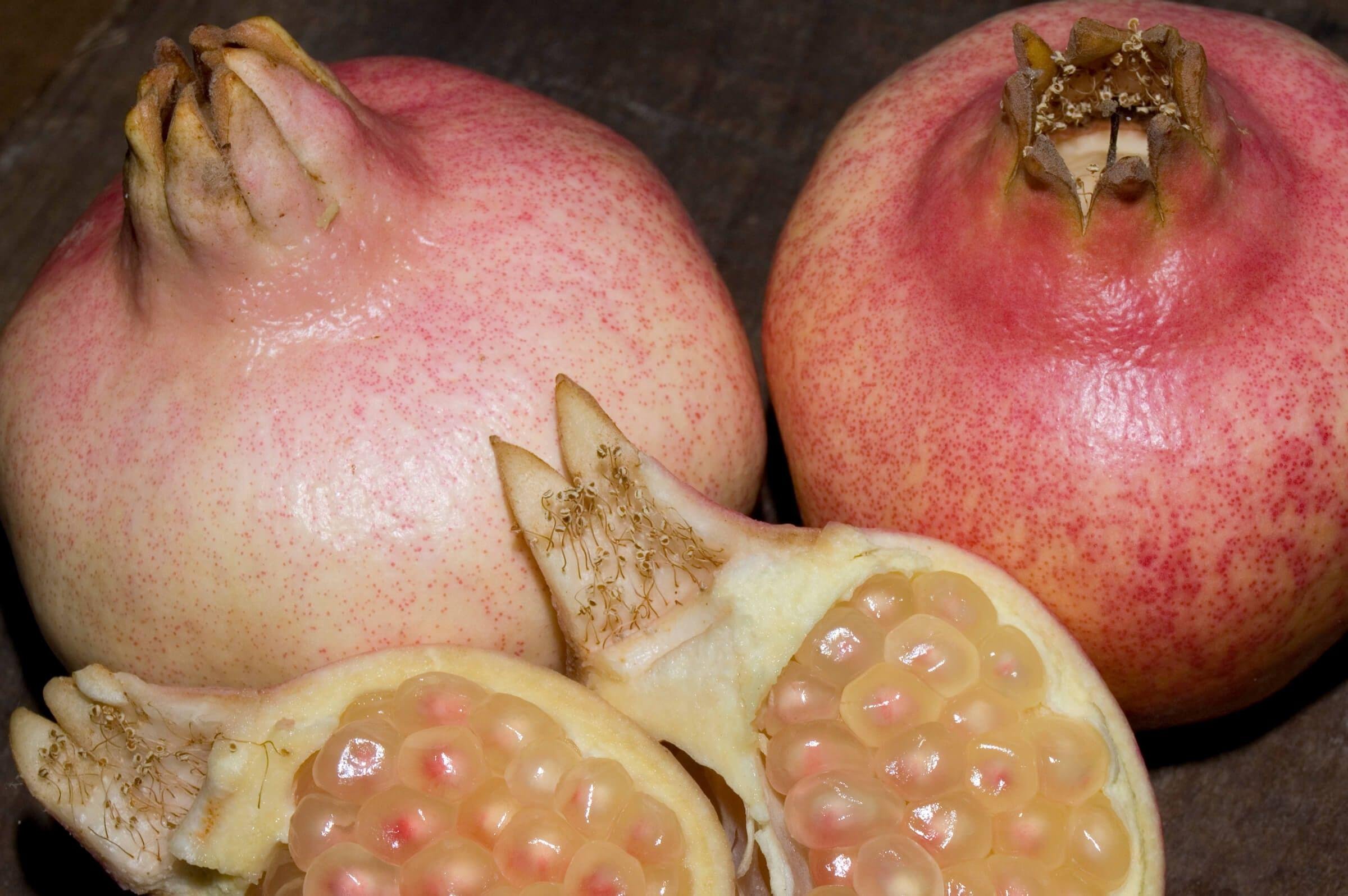

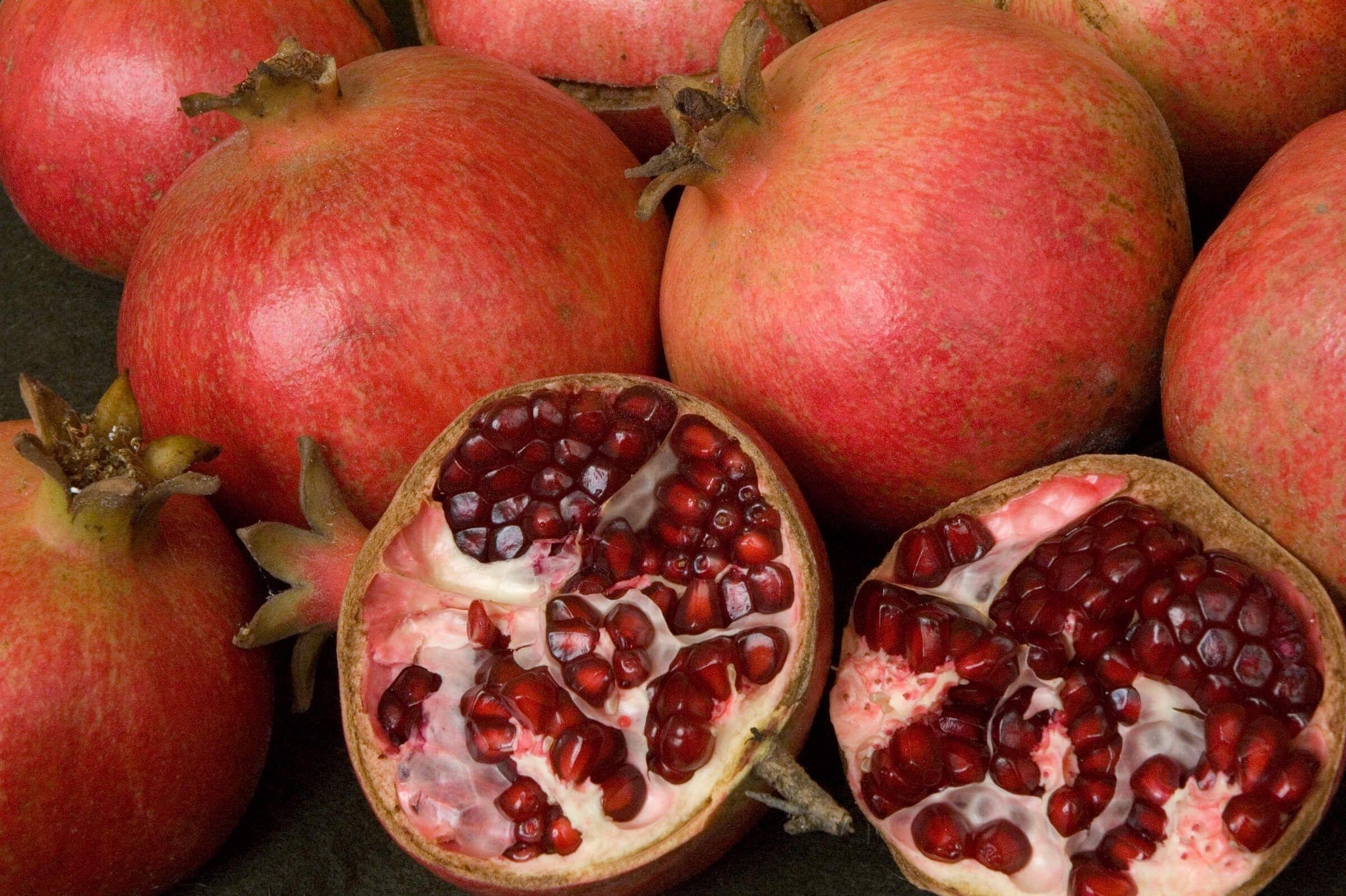
Thank you Dave Wilson Nursery for the use of your images and descriptions.
Medium to large, pale pink skin, purple sweet-tart juice, similar to Wonderful. Long-lived, inland or coastal climate. 150 hours. Self-fruitful.