
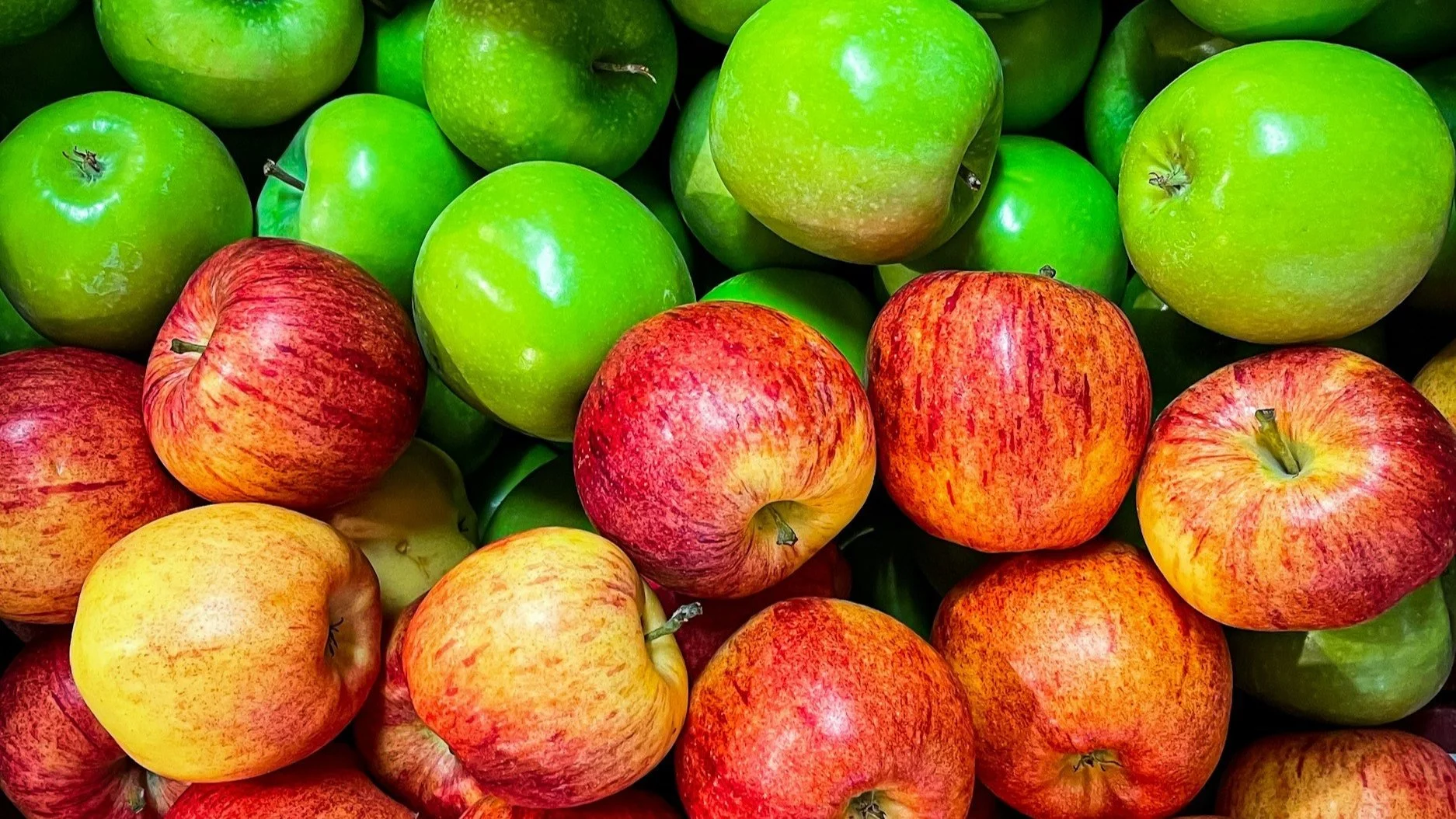
Growing our Apple Selections
-
Chill hours - We are often asked what this means, to keep things simple, we have chosen our selections based on years of experience, the listed varieties have historically performed well.
~ If you really want to know more about chilling hours, click here!Cross pollination - Most all apples are self-fruitful and will produce enough fruit you, your neighbors, and your friends. It is often written that certain varieties will benefit from having another apple nearby. This does not mean the second apple needs to be in the same yard, within a couple of blocks will suffice.
Wormy apples can be avoided by trapping and using a biological pesticide like Fertilome’s Spinosad which is approved for organic gardening.
Air Flow - Air movement, even the slightest breeze, is key to dry the leaves from the morning dew. Without it your apple will be prone to leaf fungal problems.
-
In the Bay Area, the best growing conditions for apples involve full sun, well drained soils, and good airflow.
Specific Growing Conditions:
Sunlight: Apple trees need at least six to eight hours of direct sunlight per day.
Soil: Well-drained, sandy loam soil is preferred. Amending clay soil with organic matter can improve drainage. Avoid planting where winter rains may puddle.
Irrigation: Apples require moderate irrigation during dry periods of our year. Typically, a well-established tree may only need a slow deep watering every 10-14 days. A newly planted tree will need lighter more frequent watering.
Mulch: Mulching helps regulate soil temperature, retain moisture, and suppress weeds.
Fertilization: Supplemental fertilization is typically needed to ensure the tree receives adequate nutrients for the best flavored fruit.
Pruning: pruning is often overlooked yet, when done properly, can help increase fruit production and improve air flow through the tree which decreases the incidents of disease and pest outbreaks.
-
Most Common Pests:
Aphids
These tiny insects suck sap from leaves and fruit, causing damage and potentially spreading diseases.
Woolly Apple Aphid
This aphid species infests roots and stems, causing cankers and weakening the tree.
Codling Moth
The larvae (worms) of this moth feed on apples, creating tunnels and making them unfit for consumption.
Apple Maggot
The larvae of this fly tunnel into apples, causing them to become soft and brown.
Controls
Each of these pests can be controlled with the use of Fertilome’s ‘Spinosad Soap’, a bio-insecticide that is approved for organic gardening. Apply ‘Spinosad Soap’ in the evening after bees have stopped foraging to prevent harm. This product is considered bee safe 3 hours after application.
Codling Moth and Apple Magot are best controlled with Fertilome’s ‘Spinosad’ which is approved for organic gardening. This product will not cause harm to bees.
Aphids and Woolly Apple Aphids can be controlled with Fertilome’s ’Neem’ which is approved for organic gardening. As with other oil-based garden sprays it is best to apply either in the very early morning or evening to prevent leaf burn. If pollinators are present, apply in the evening after foraging activity has stopped.
Most Common Diseases:
Powdery Mildew
This is the most prevalent disease we contend with in the Bay Area. it is a fungal disease that causes a white powdery growth on leaves and young twigs, eventually leading to leaf and twig death if left untreated.
Apple Scab
This fungal disease causes black or olive-green lesions on leaves and fruit, making them less appealing.
Fire Blight
This bacterial disease causes sudden wilting and death of flowers, blossoms, and young shoots, and can be fatal to the tree.
Controls
Each of these three disease issues can be controlled during the growing season by applying Fertilome’s ‘Fungicide 5’, a biofungicide that is approved for organic gardening. Powdery Mildew can be controlled with Fertilome’s Spinosad Soap, a bio-insecticide that will also control many of the pests listed above. Apply Spinosad Soap in the evening after bees have stopped foraging to prevent harm. This product is considered bee safe 3 hours after application.
Treat your trees in winter with Fertilome’s ‘Copper Fungicide’ (approved or organic gardening) or Monterey Lawn and Garden’s ‘Liquid-Cop’. Winter applications of either of these two products can greatly reduce the frequency and severity of disease outbreaks during the growing season.
~ This list may not accurately represent our current stock ~
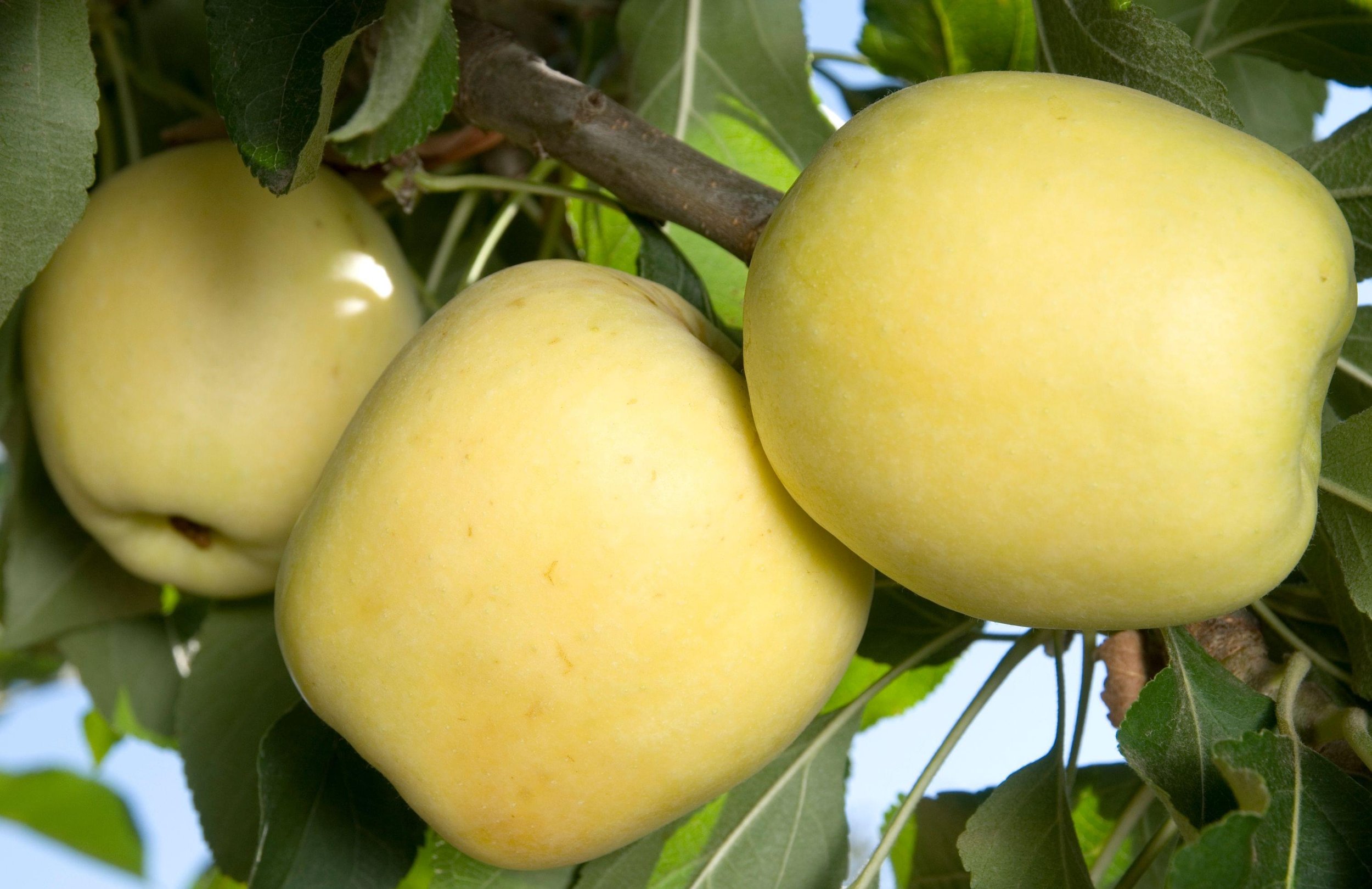
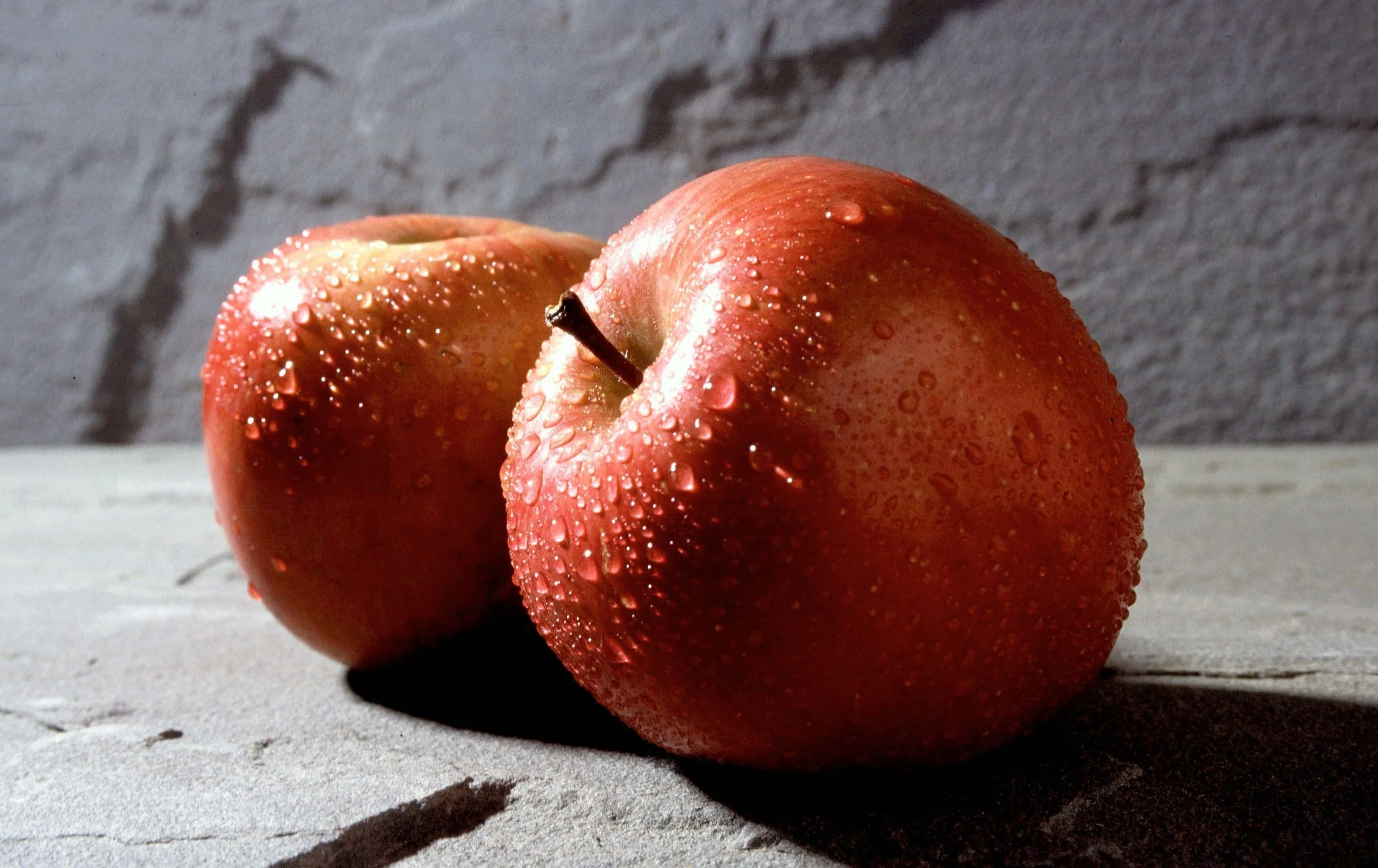

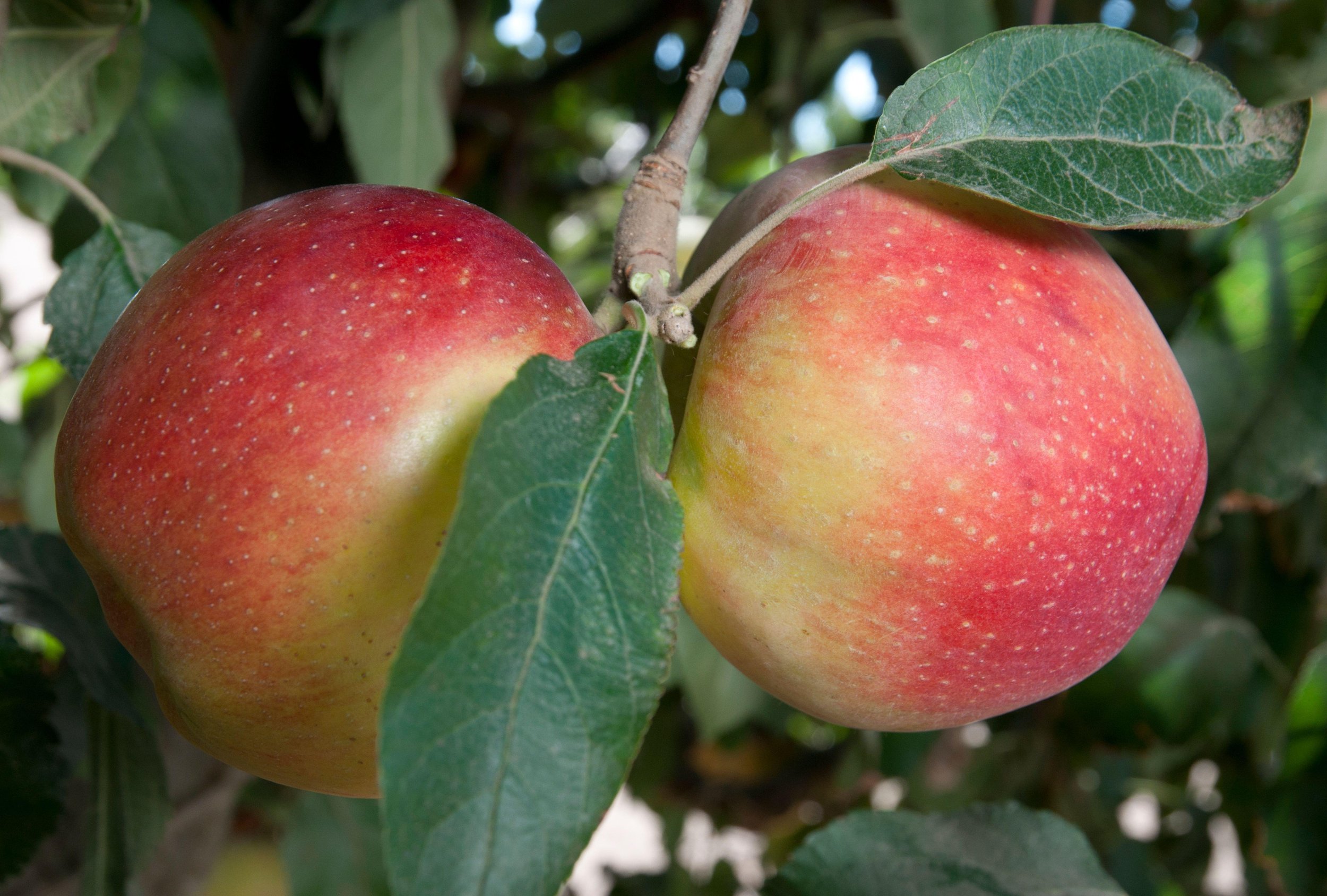
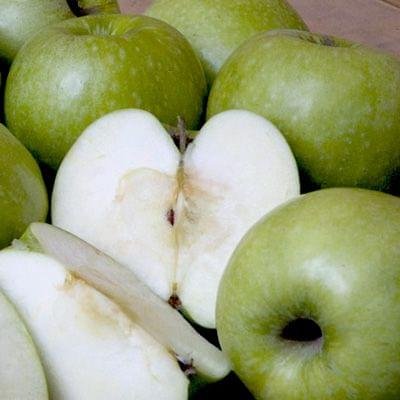
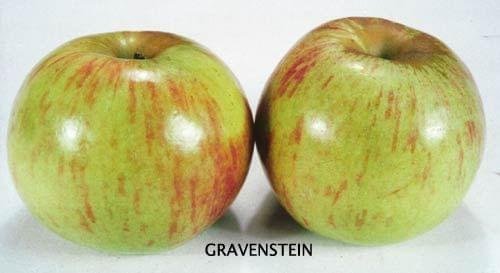

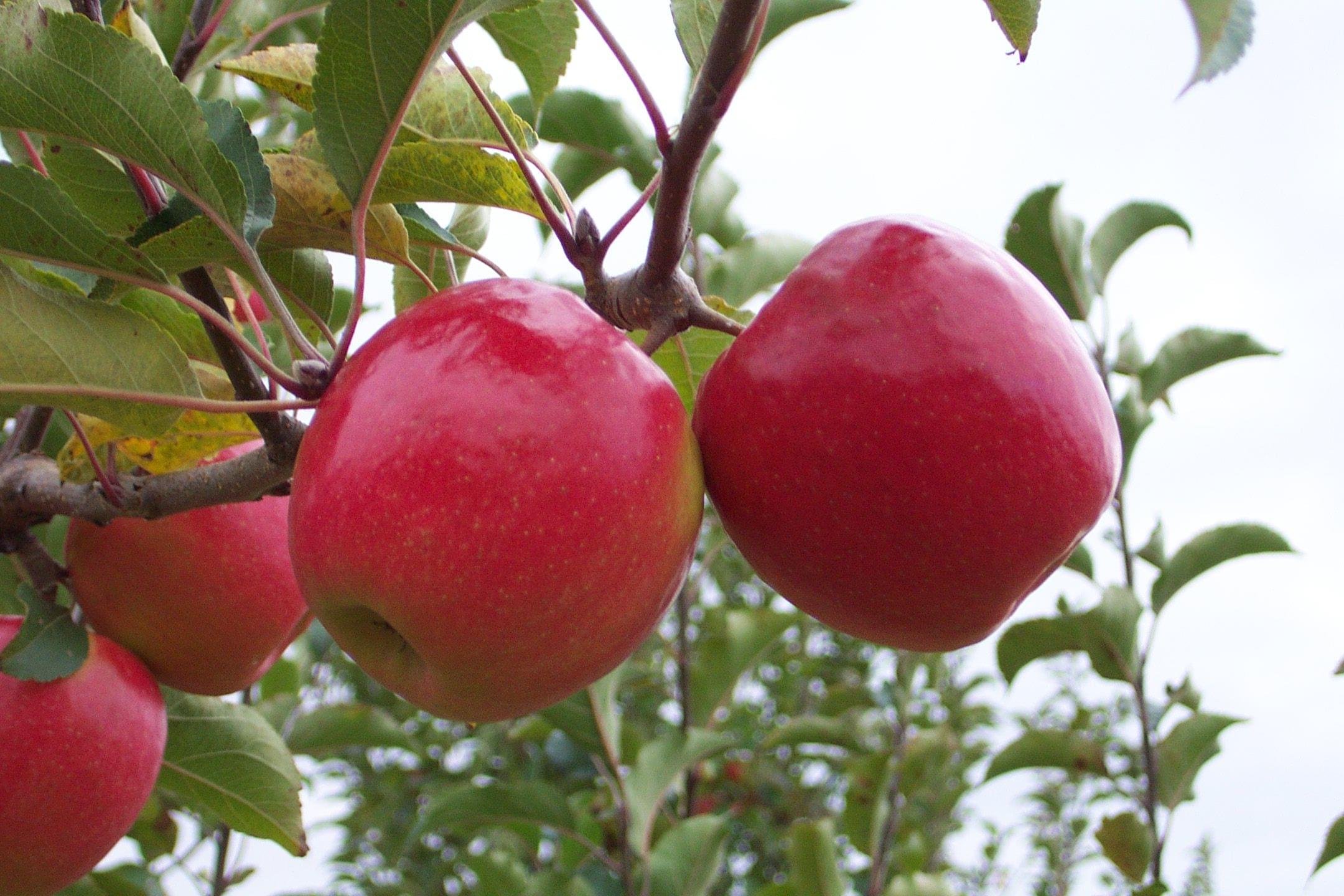
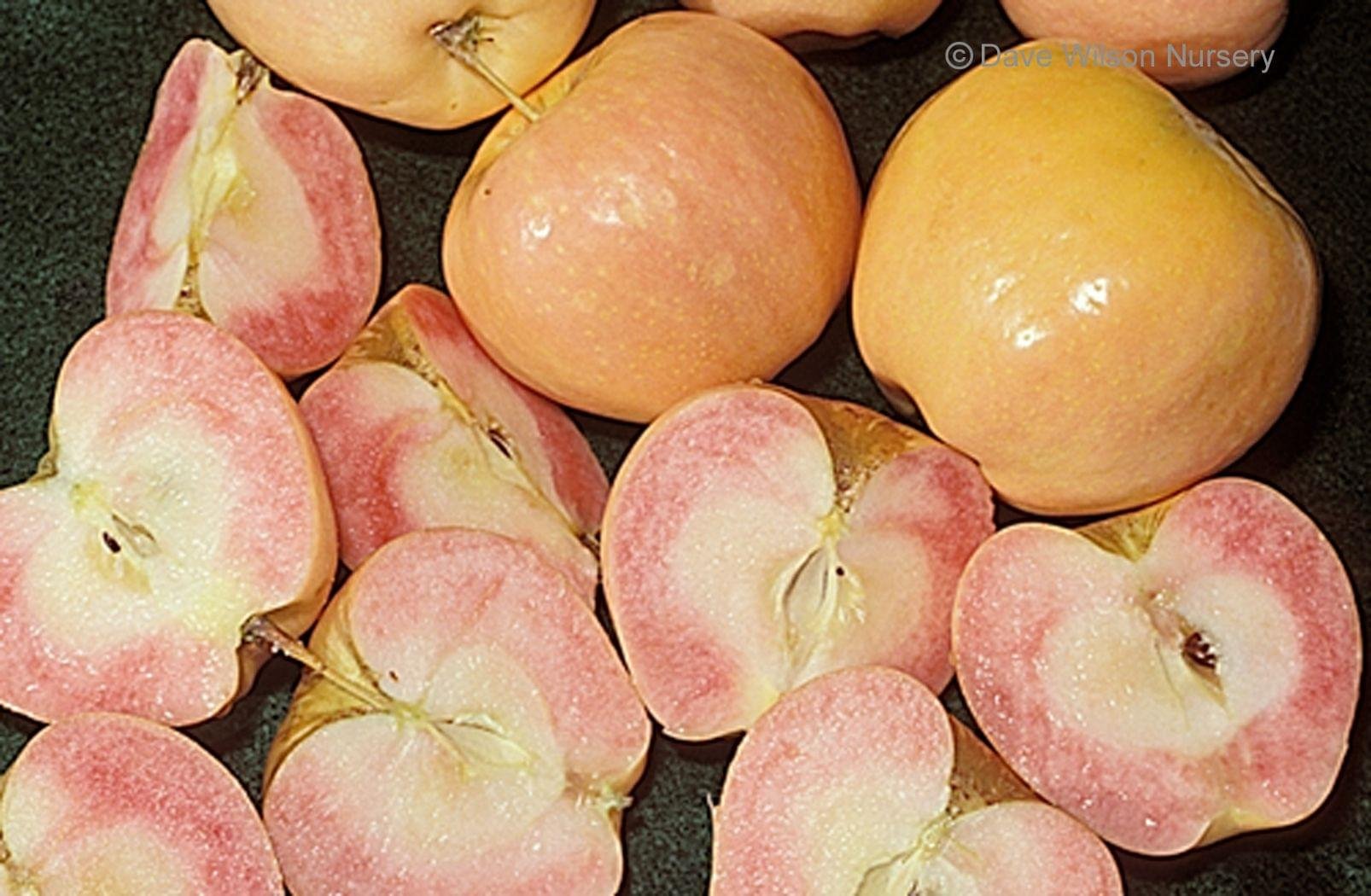
Thank you Dave Wilson Nursery for the use of your images and descriptions.
Remarkable fruit for mild winter climates in the Bay Area. Heavy crops of sweet, crisp, flavorful apples even in low desert. Fresh/cooked. Keeps 2 months in refrigerator. 200 hours. Self-fruitful