
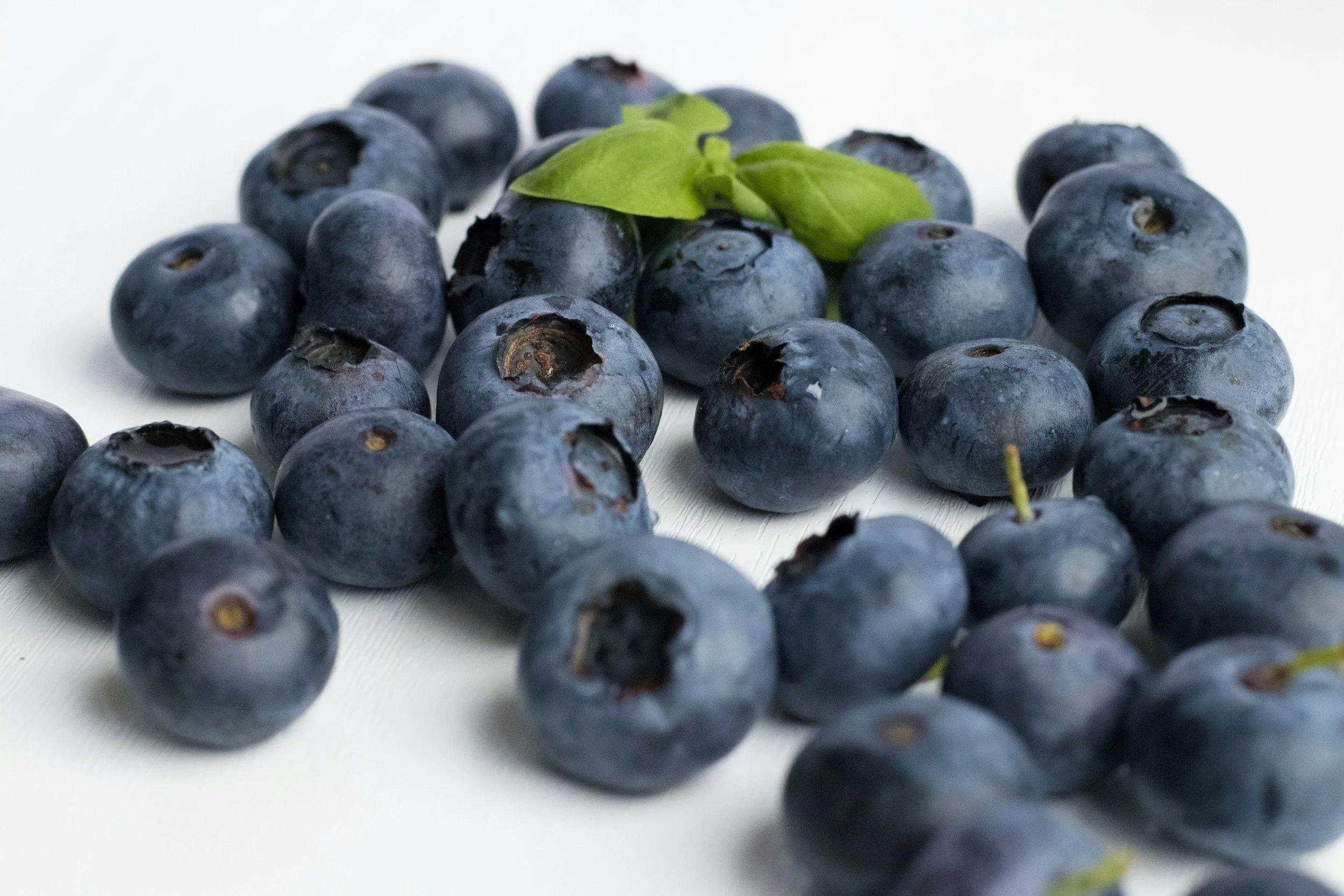
Blueberries
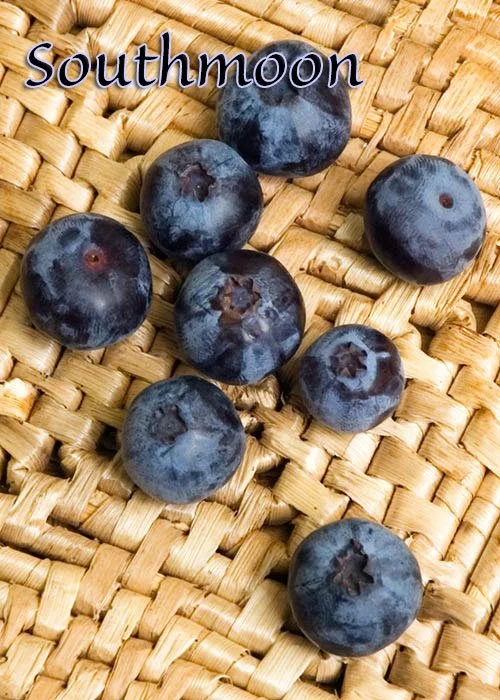
Blueberry varieties are categorized by their climate suitability and ripening season. It has long been the standard that the Northern varieties have the best flavor; it is our feeling that many of Southern varieties have been bred to match that excellence in flavor. We have chosen to carry only the Southern varieties.
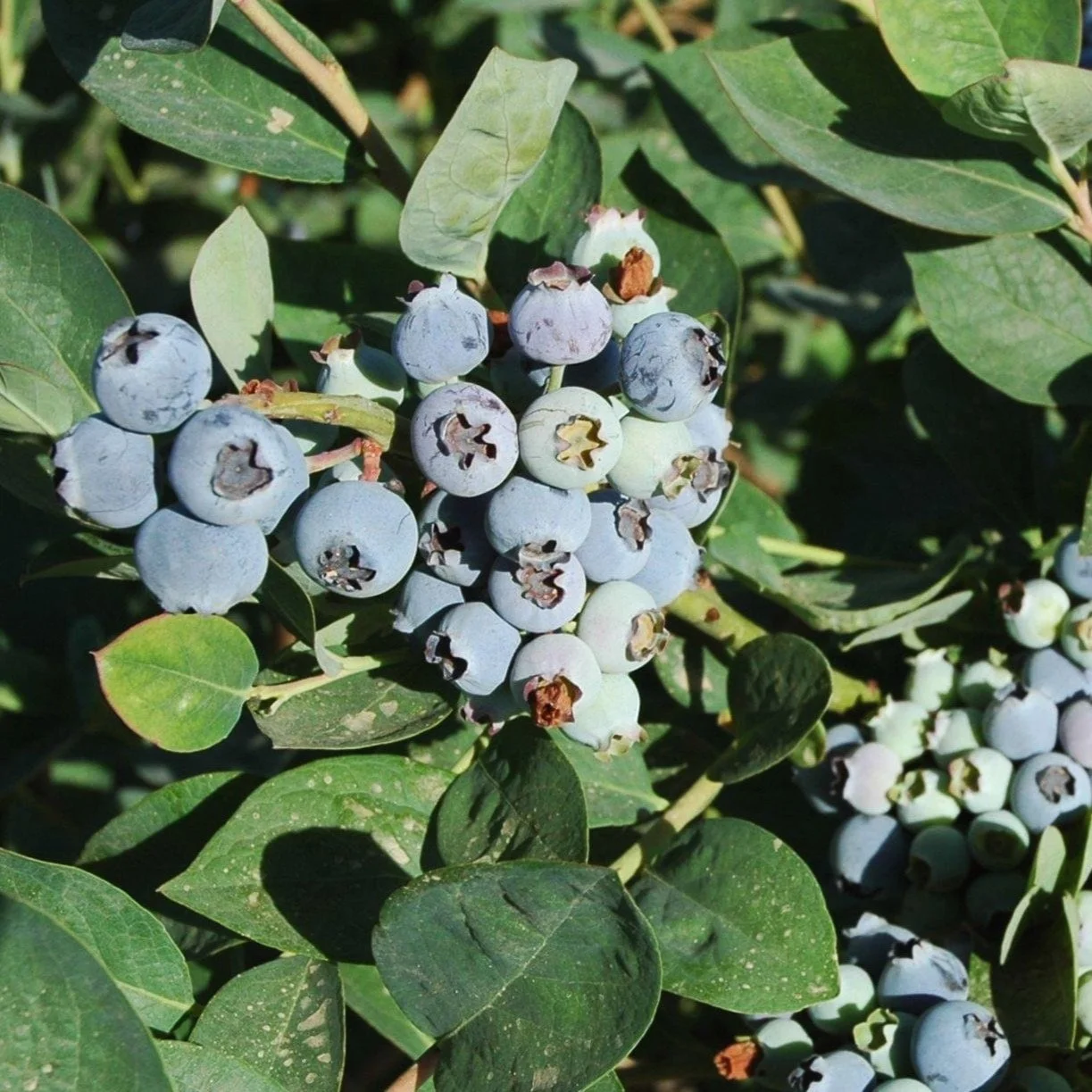
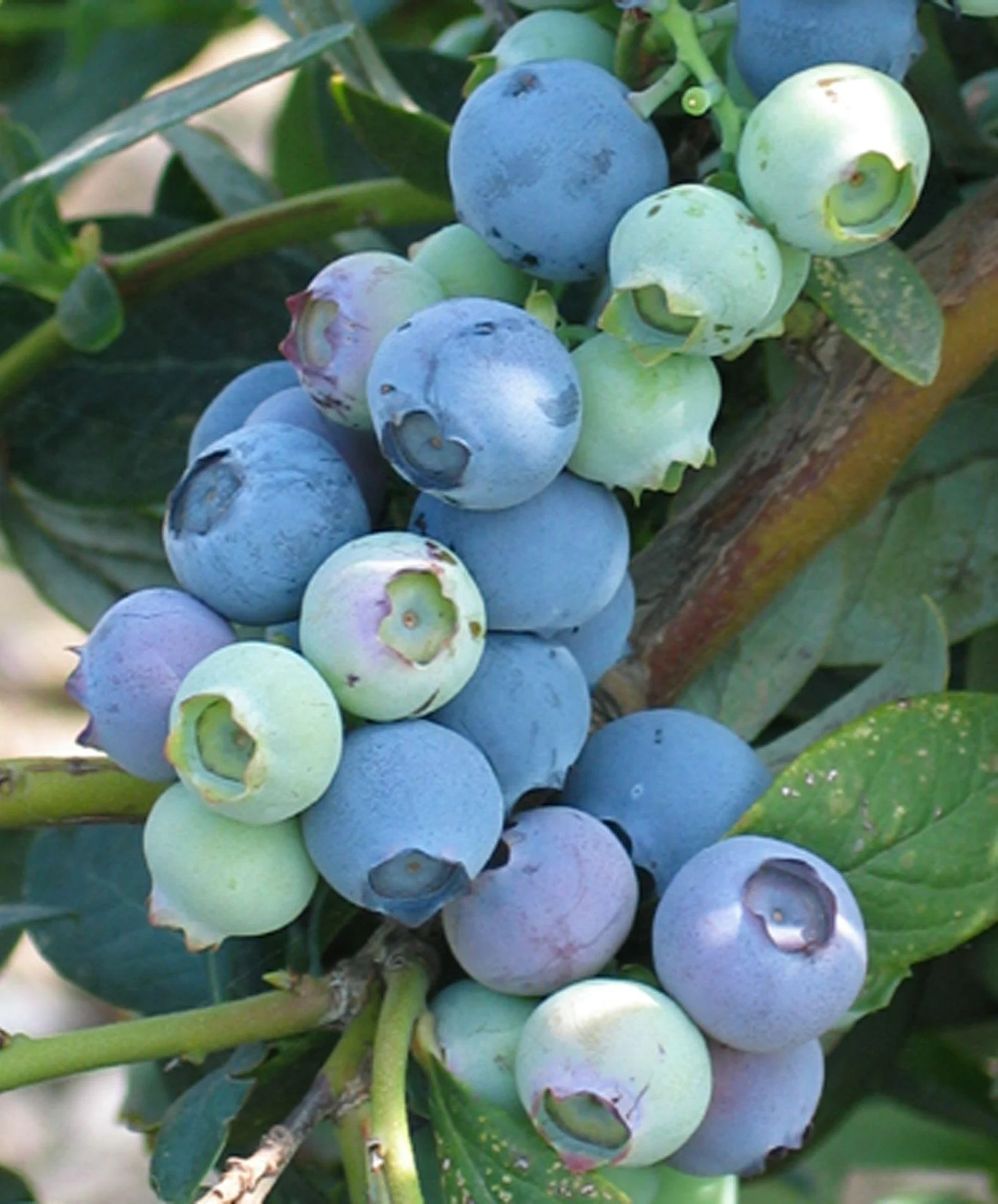
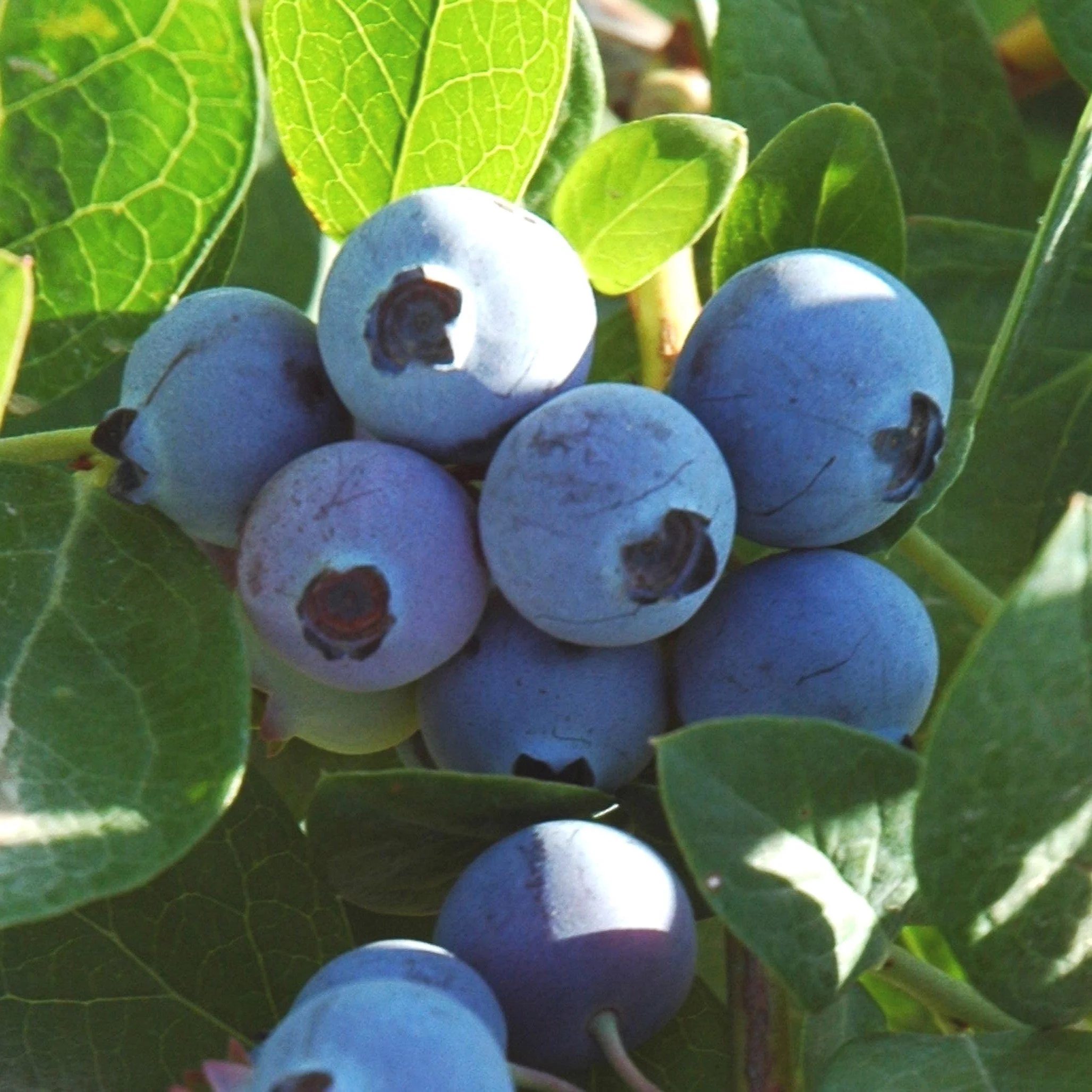
Southern High-bush blueberries offer gardeners in the Bay Area an opportunity to enjoy bountiful crops of blueberries as they are specifically hybridized for superior fruit, soil adaptability, heat tolerance, and low winter chill requirements. This makes them particularly suitable for coastal areas of California as well as the inland valleys.
Most Southern High-bush are self-pollinating but the berries will be larger if two varieties are planted together.
You may want to select varieties that ripen at different times or feature large fruit (best for fresh eating and desserts) and/or small fruit (best for muffins and pancakes).
~ Lists may not reflect our current available stock ~



Growing tips
The Right Start For Your Blueberries
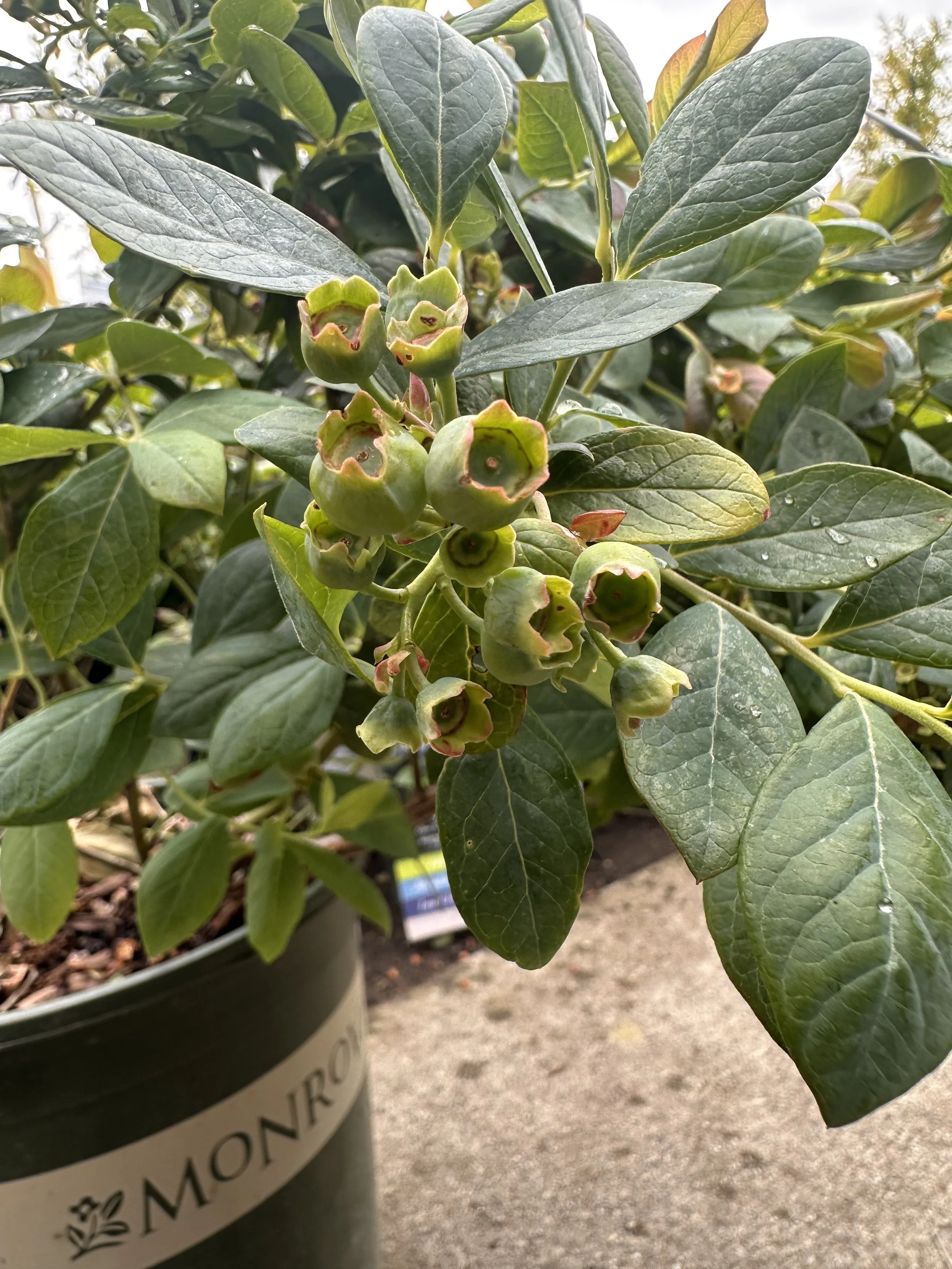
Blueberries bring a unique combination of delicious fruit and striking ornamental beauty to the garden and landscape. Blueberries are easy to grow, require little care, and are seldom bothered by pests. If a few basic steps are followed, your blueberry plants can thrive and last a lifetime.
Site Selection and Preparation
Select a sunny location with well drained soil. Plant in an area where irrigation is available as best results will be obtained by keeping the root zone moist throughout the growing season. Where the soil is poor or marginally drained, raised beds 3-4 feet wide and 8-12 inches high work very well for blueberries.
The best way to grow blueberries in almost any soil is to incorporate an abundance of organic matter like a planting mix designed for acid loving plants. In our typically heavy clay soils, use one 1.5 cubic foot bag per plant. Be sure to incorporate the planting mix into a 30 inch wide and 12 inch deep planting hole; though this requires lots of work, this planting practice will help the plant thrive for years to come. Blueberries thrive in acidic soils; be prepared to apply a soil acidifier at least once a year.
Mulching
Blueberries do best with 2-4 inches of mulch over the roots to conserve moisture, prevent weeds, and add organic matter. Bark mulch, acid compost, sawdust, grass clippings, etc. all work well. Repeat every year.
Spacing
Blueberries can be planted as close as 2½ feet apart to form solid hedgerows or spaced up to 6 feet apart and grown as individual specimens.
More Uses for Blueberries
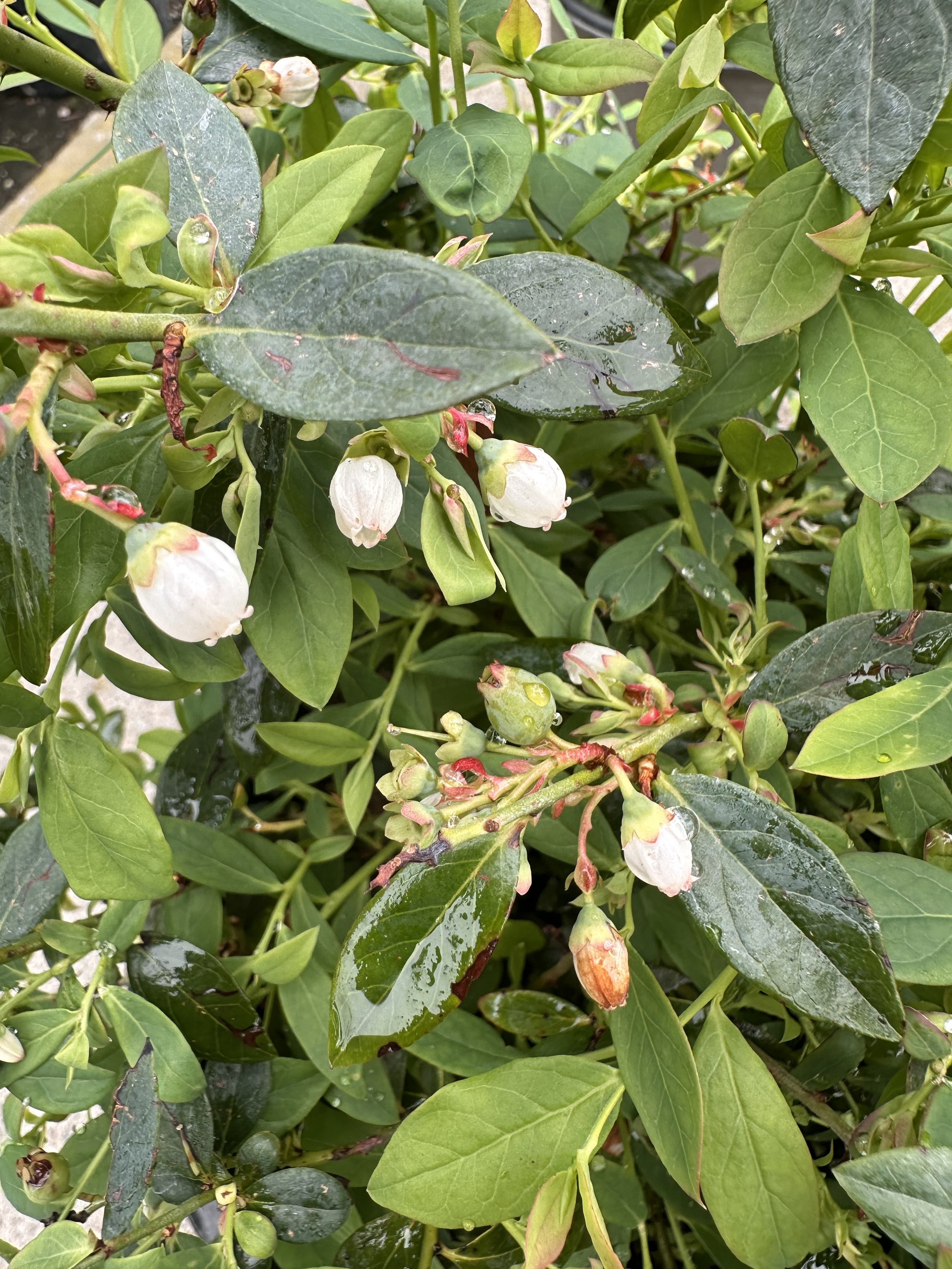
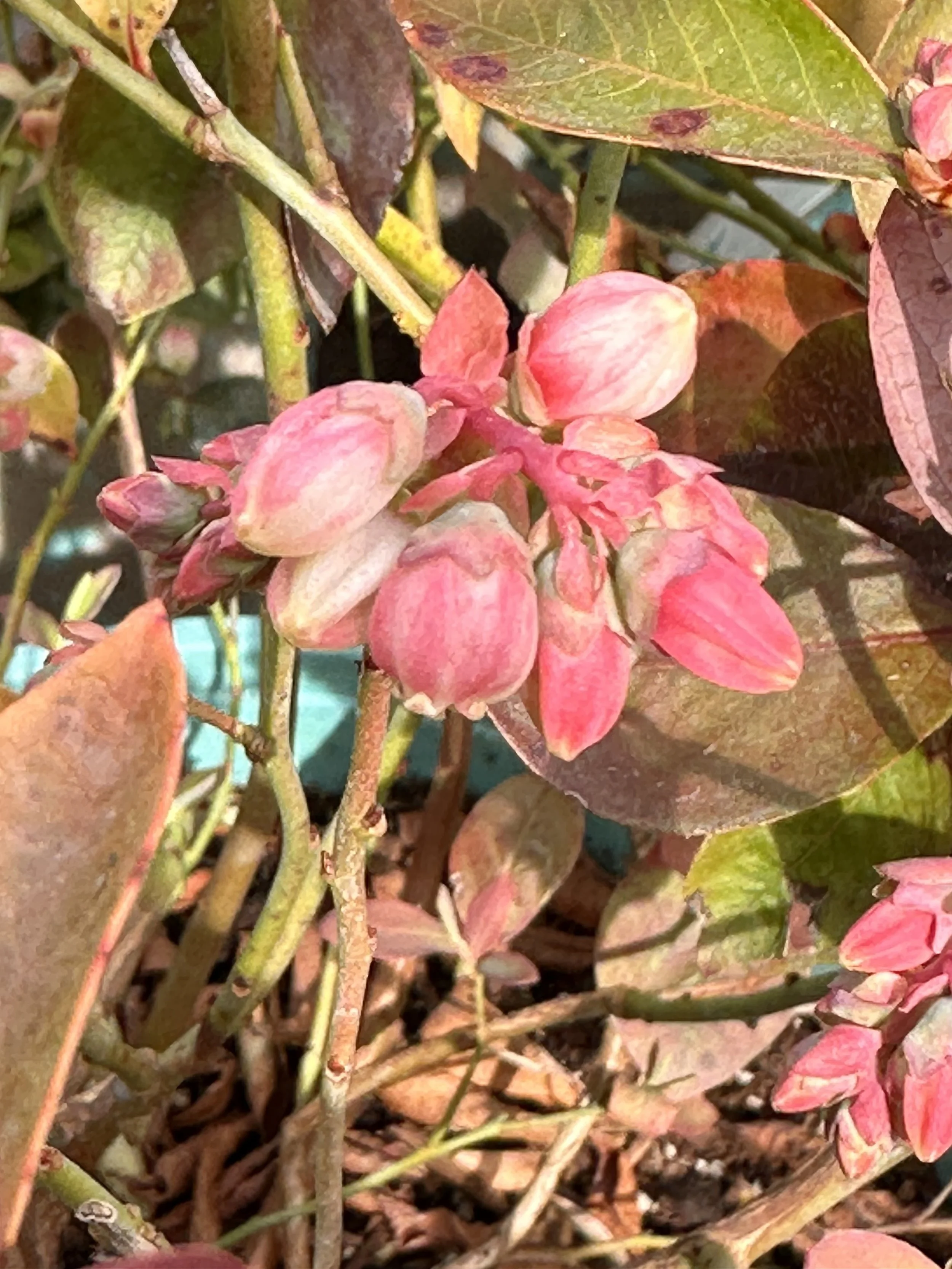
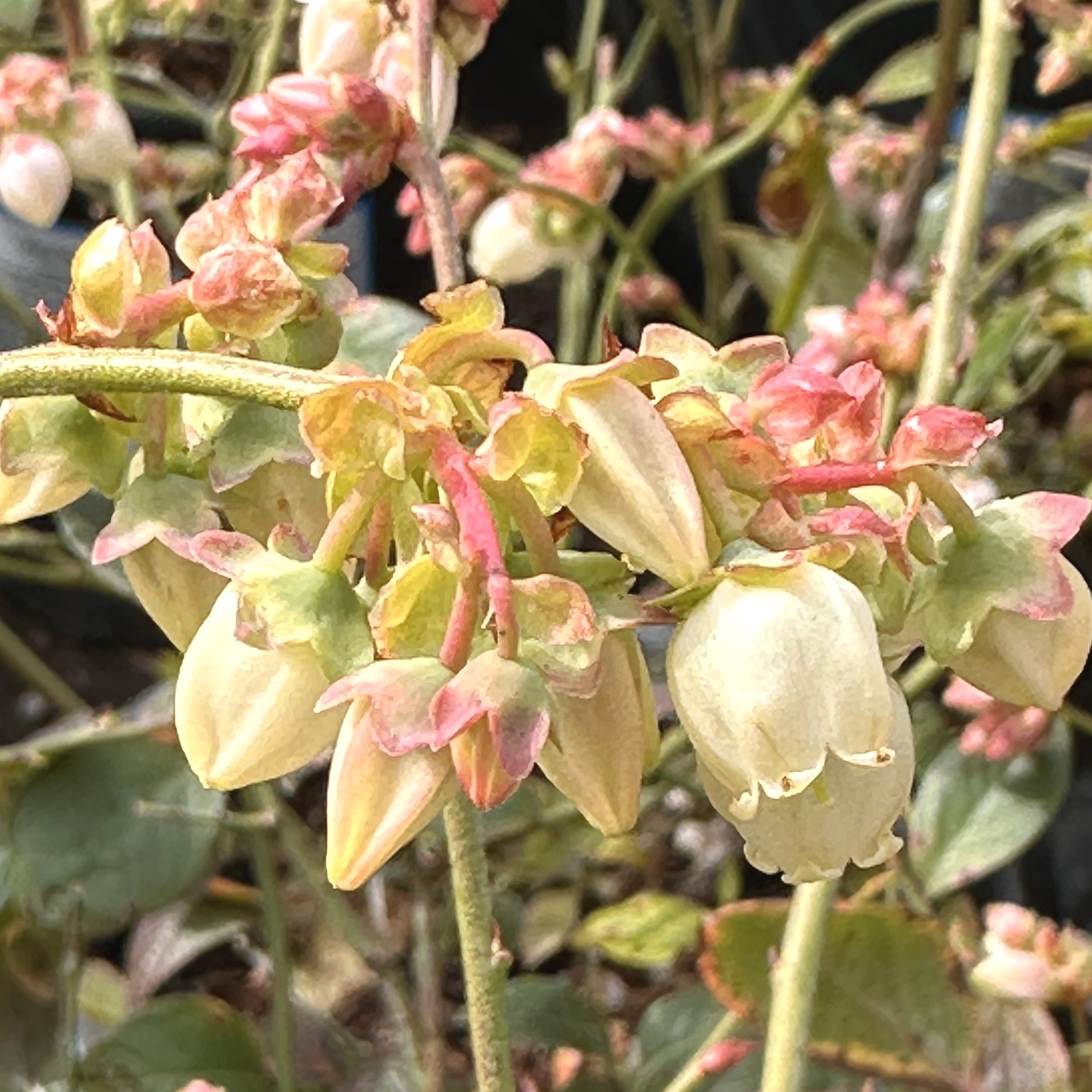
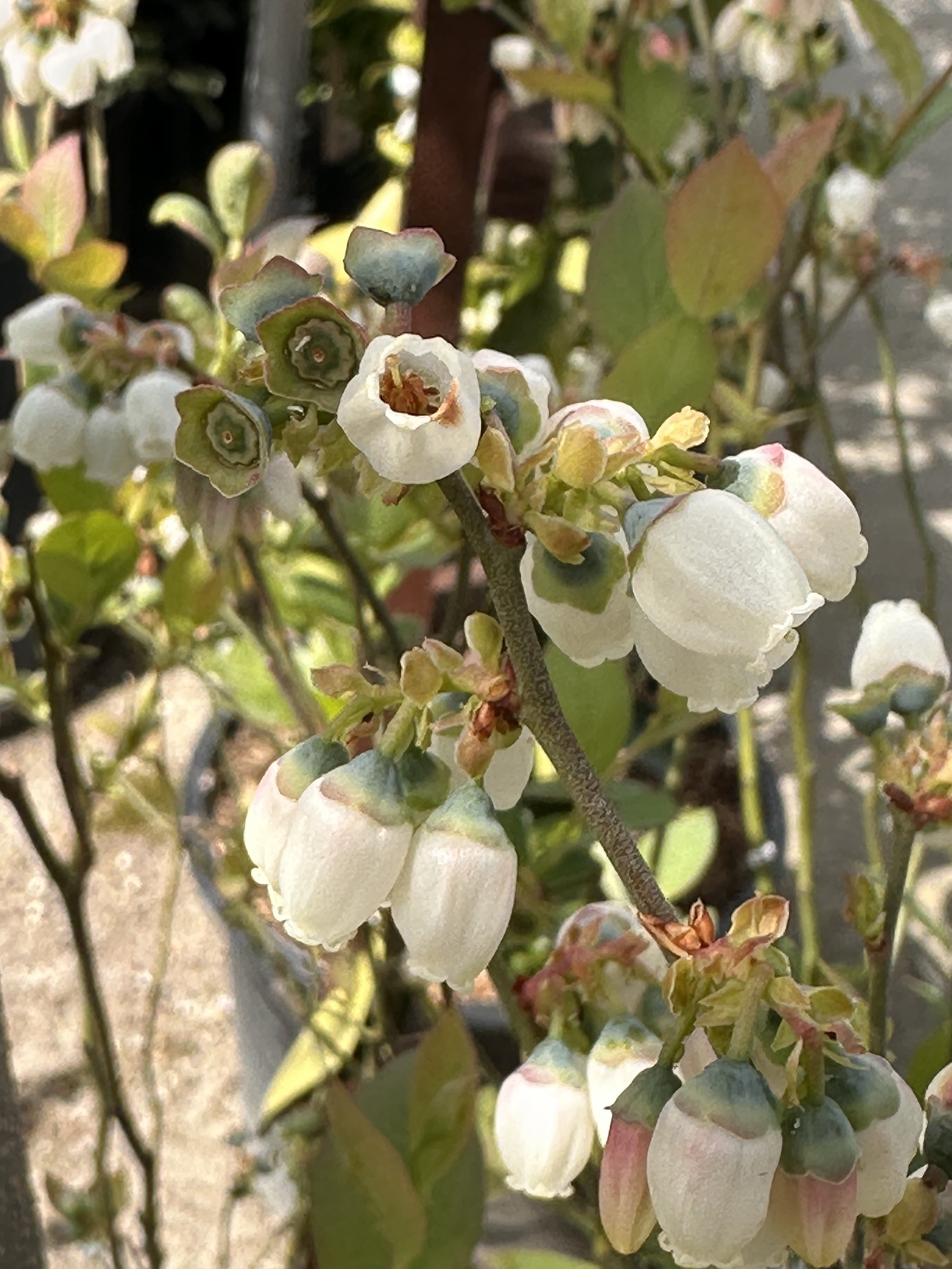
Whether you plant them for the birds, your children, or yourself, blueberries can work very well in your landscape plans. Blueberries have delicate bell shaped blooms in spring followed by glossy green leaves throughout summer, delicious powder blue to dark blue fruit, striking fall color, and brilliant winter wood. Listed below are the common uses and some varieties which are most suited for that use. Please remember that your success depends on proper planting and cultural care.
Hedges and Border Plantings
Blueberries make excellent hedges if planted correctly and the right varieties are used. To form solid hedges or screens, place plants 2½’ to 3’ apart; if uniform shape and texture is desired, use the same variety in the row. Most High-bush varieties are self-pollinating and do not require another variety to set fruit.
Container Planting
If the soil type in your area is not suitable for blueberries or your growing space is limited to a deck or patio, container growing is an option. If you have the space for a wine barrel sized container, feel free to choose any variety we have; smaller containers will limit your choice to the smaller growing varieties.
Fall Color
Blueberries are noted for their striking fall foliage. Red hues from burgundy to flame, as well as bright yellow oranges, can add rich color to the fall landscape. Please note, colors will vary somewhat with location and climate.
A semi-evergreen (warm climates) to deciduous shrub; upright to slightly spreading growth to 3-4 feet in height with a narrower spread.
Small, white, urn-shaped flowers produce medium-sized, super sweet berries. Self-fertile; low chilling; ripens late July. Best fruit production with regular summer water.
Dramatic blue foliage (the bluest to date).
Best in full sun to part shade. Needs cool, moist, acidic, well drained soil; mulch warm soils with 4-6 inches of bark.