
Cane-Berries
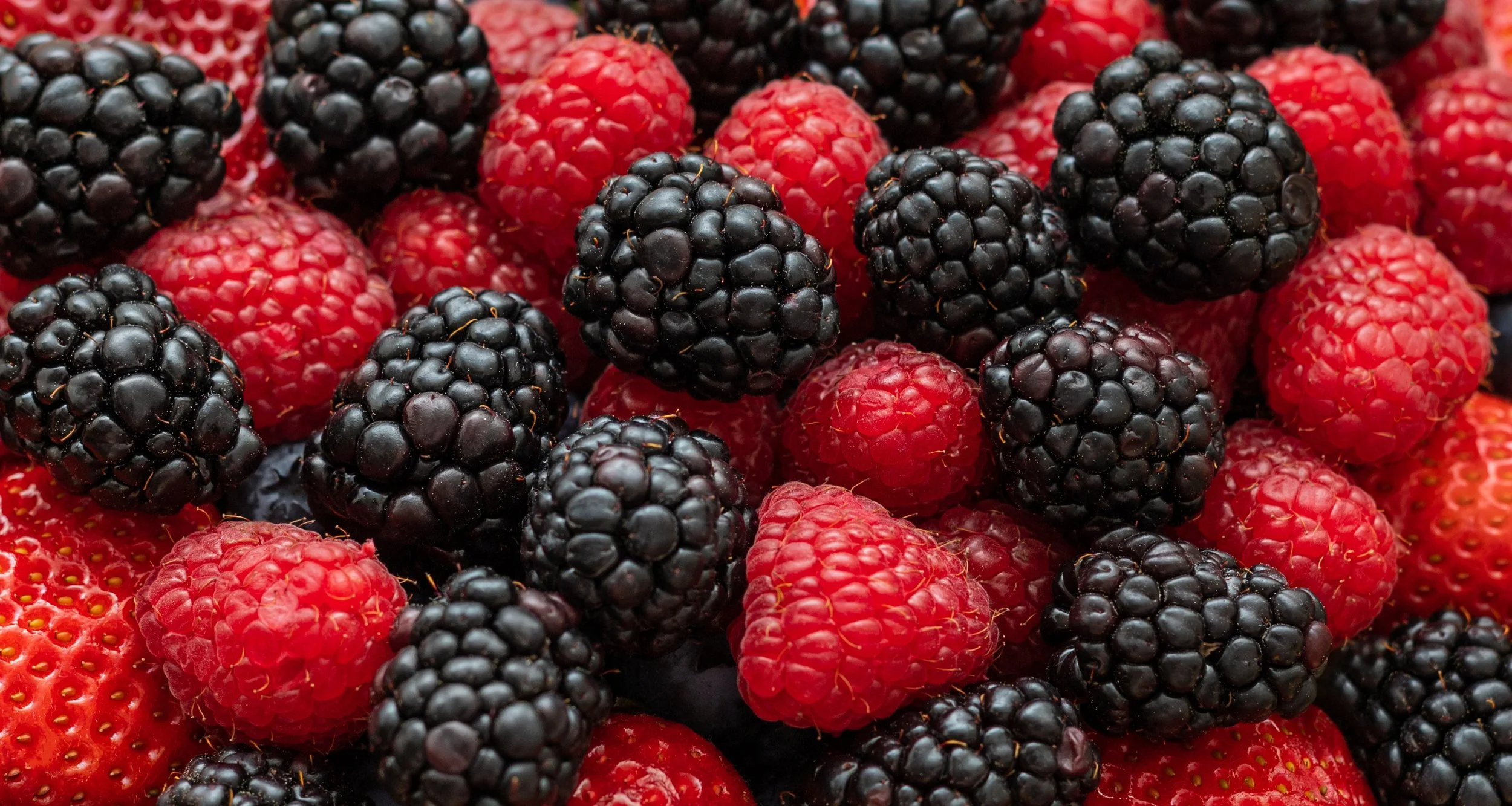
Raspberries and Blackberries
Growing blackberries and raspberries in the San Francisco Bay Area is relatively straightforward and rewarding because mild, coastal-moderated temperatures suit both brambles well. Coastal fog and moderate Bay Area summers help raspberries avoid heat stress and produce quality fruit, while blackberries handle a wide range of local microclimates.
Why you should add them to your garden:
Established plants can produce for a decade or more, yielding generous harvests of berries with their delicate, sweet to tangy flavors.
Ripe berries are perishable and pricey at the store, picking them straight from the bush gives you peak sweetness, aroma, and freshness for eating out of hand, baking, or freezing.
Both are low-calorie fruits packed with fiber, vitamins, and antioxidants.
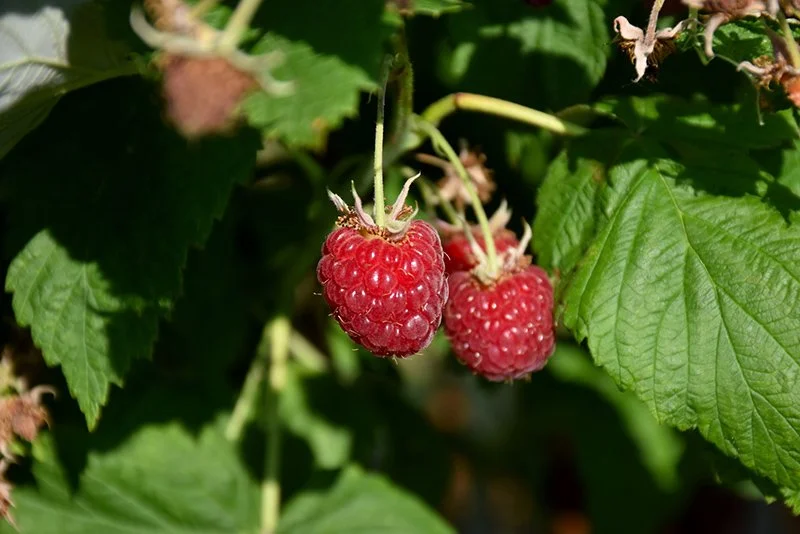
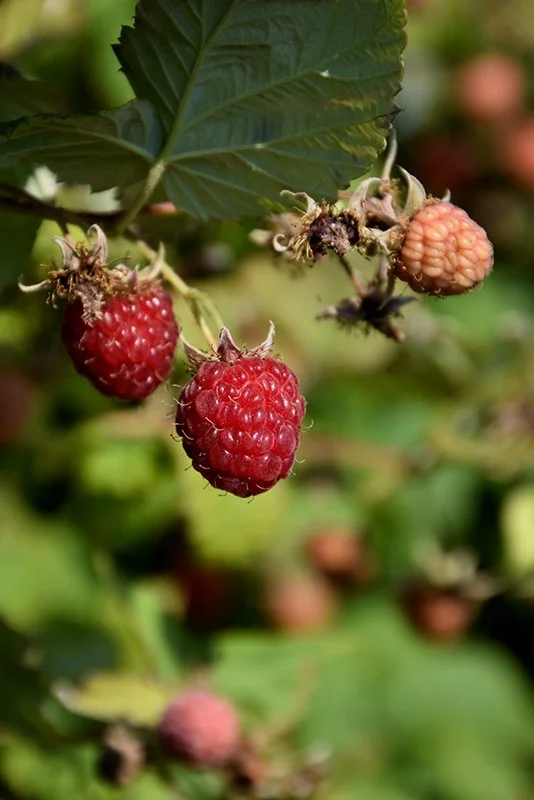
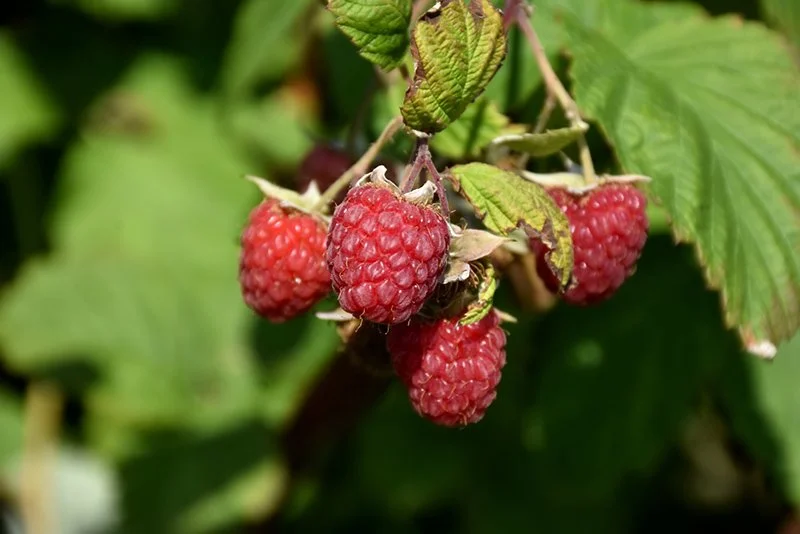
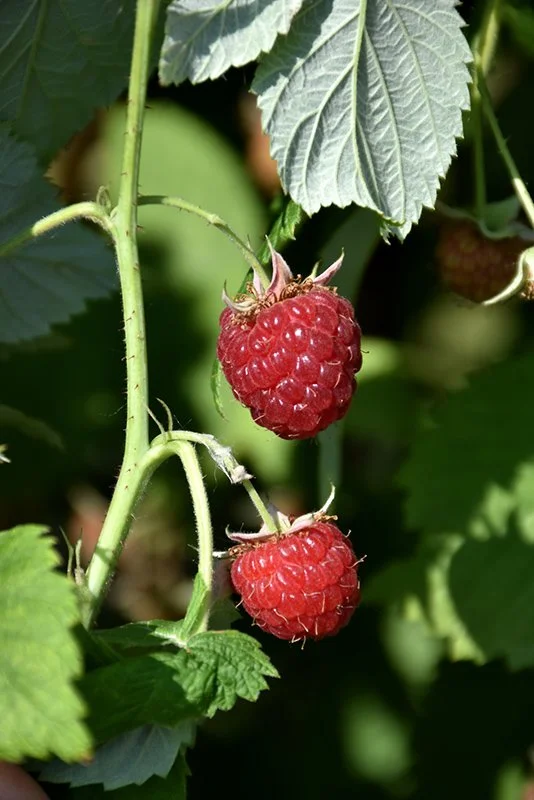
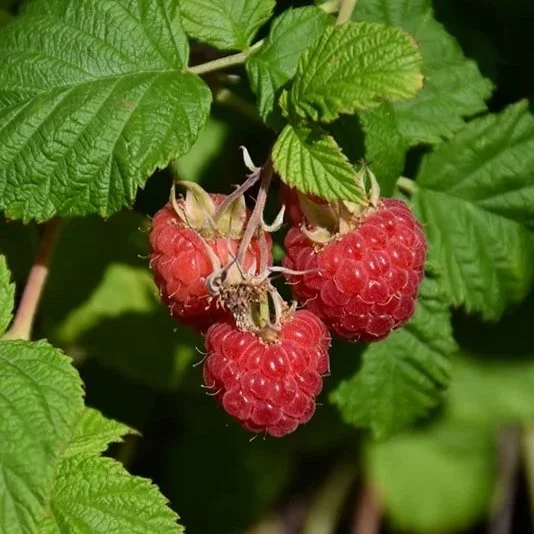
Raspberries
~ Lists may not reflect our current available stock ~
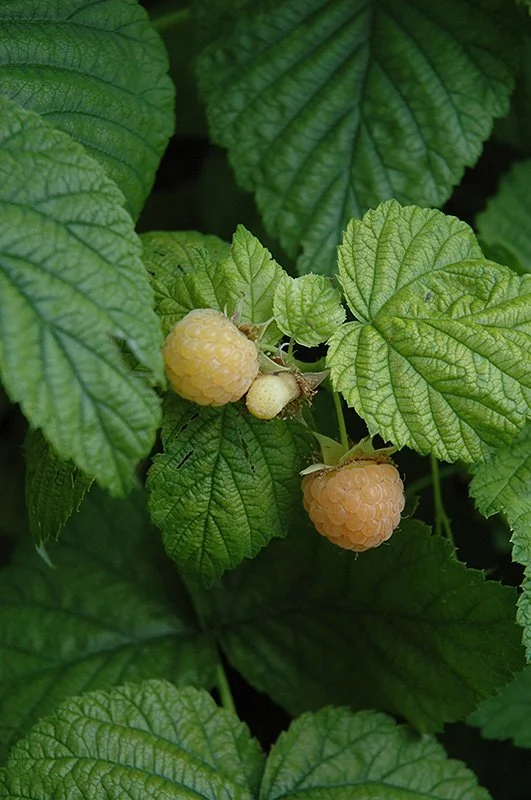
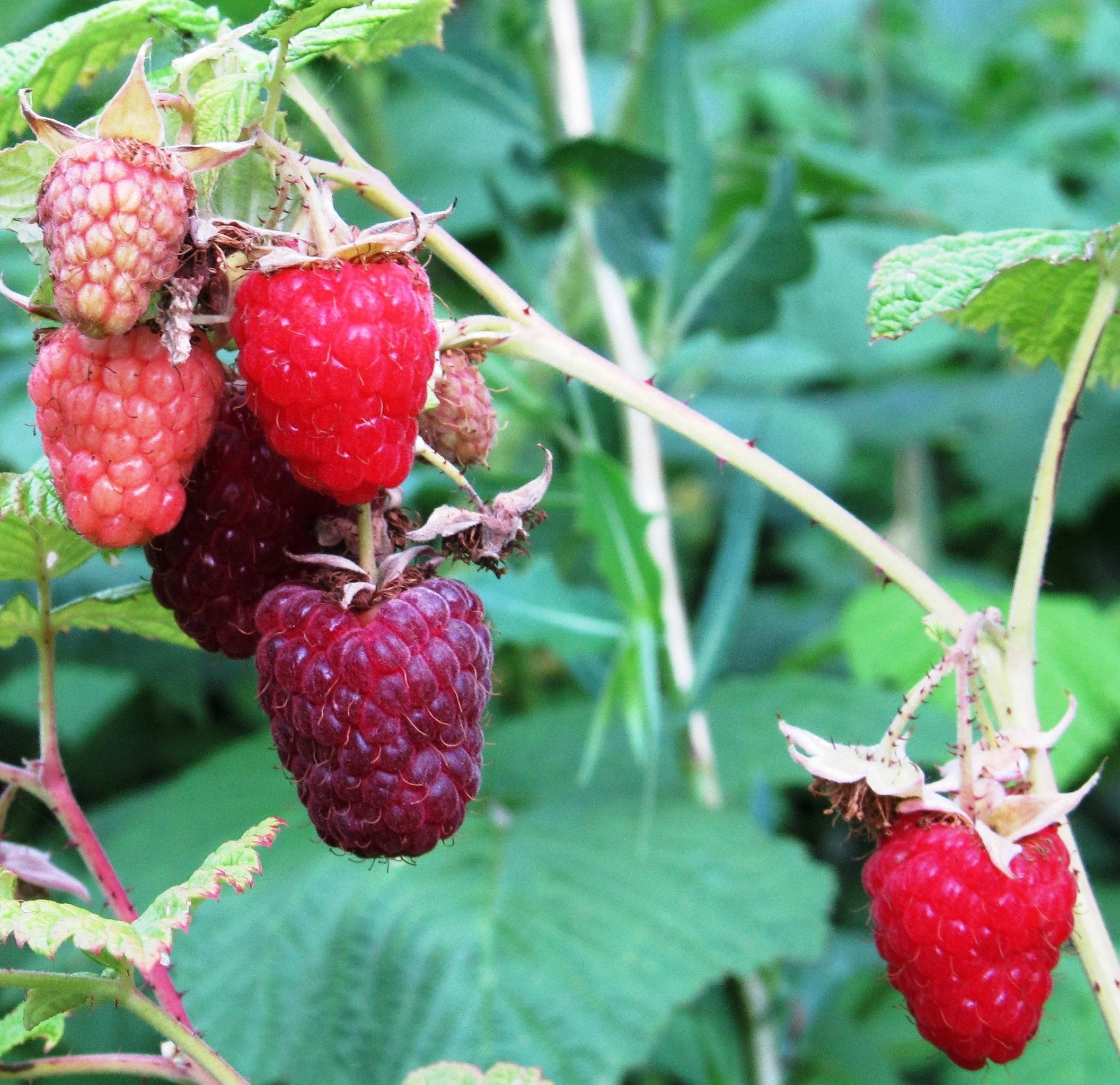
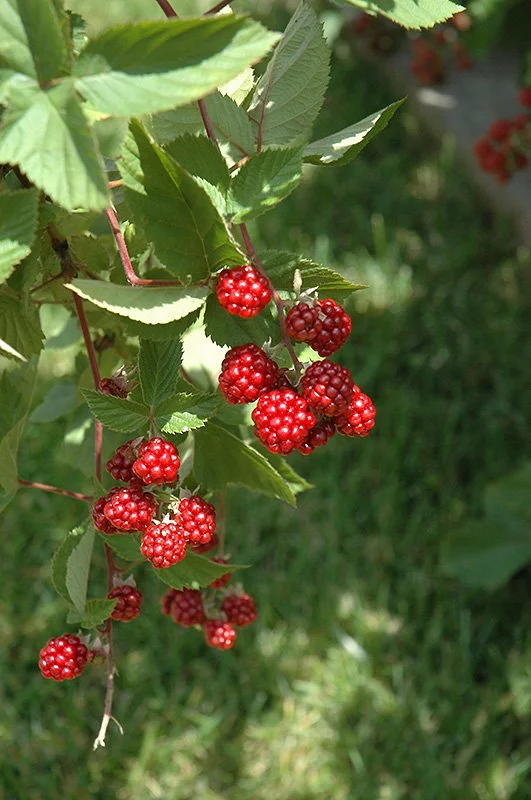
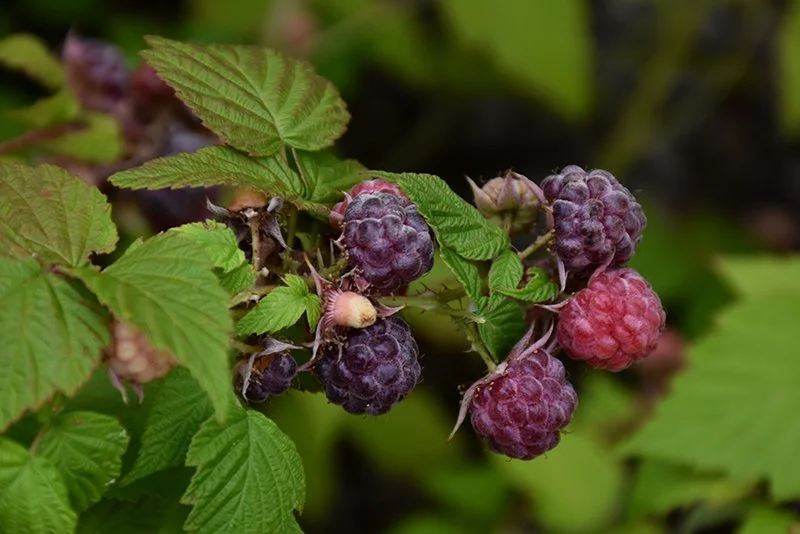
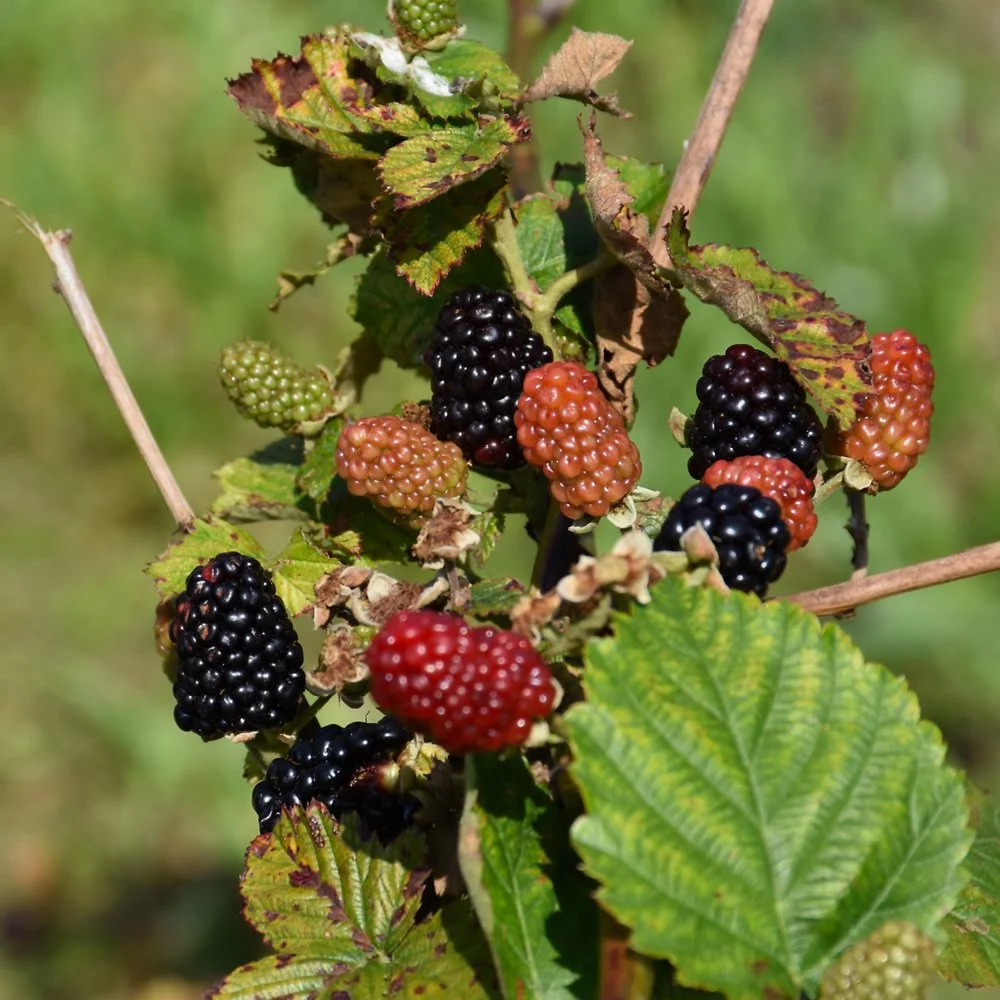
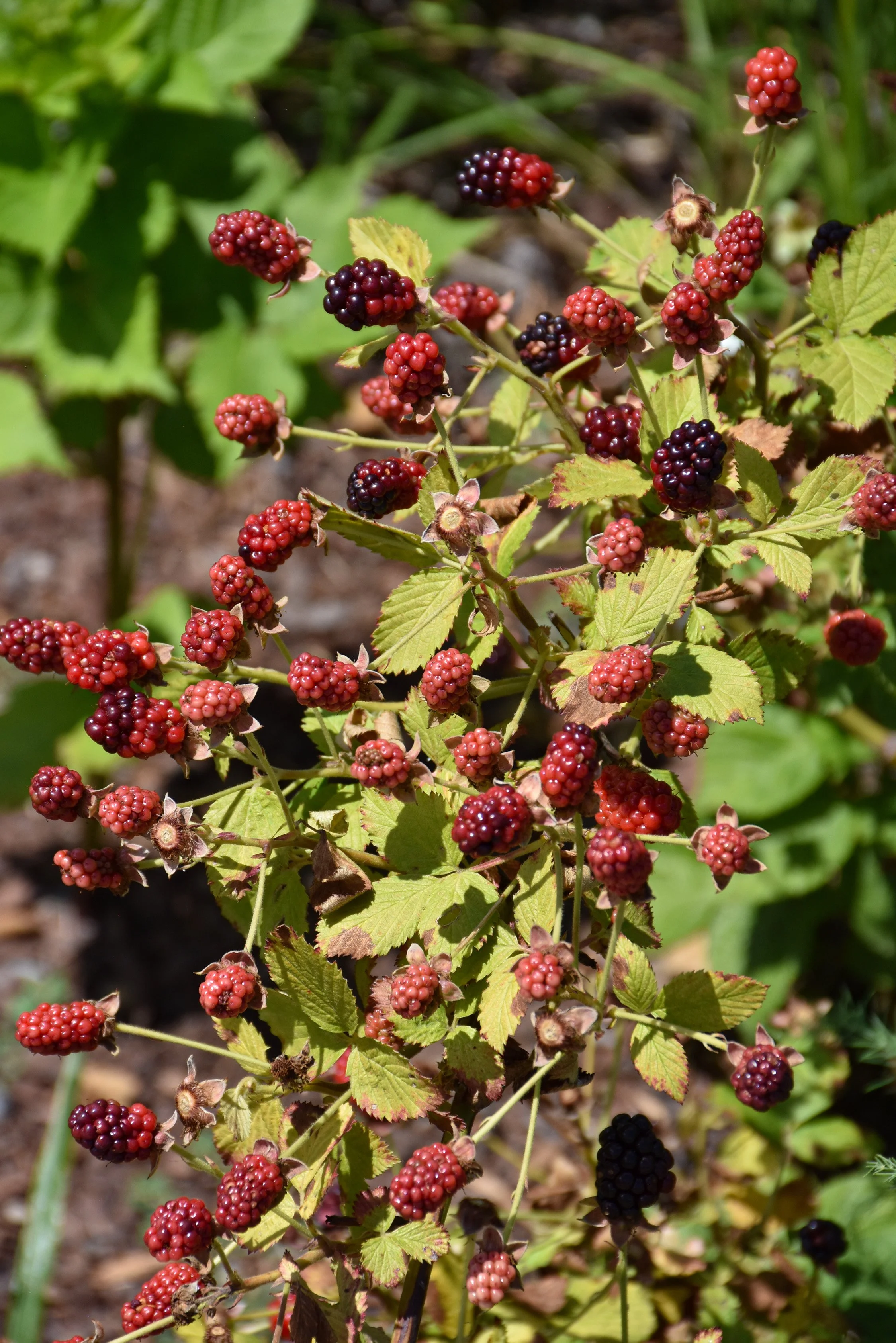
Blackberries
~ Lists may not reflect our current available stock ~
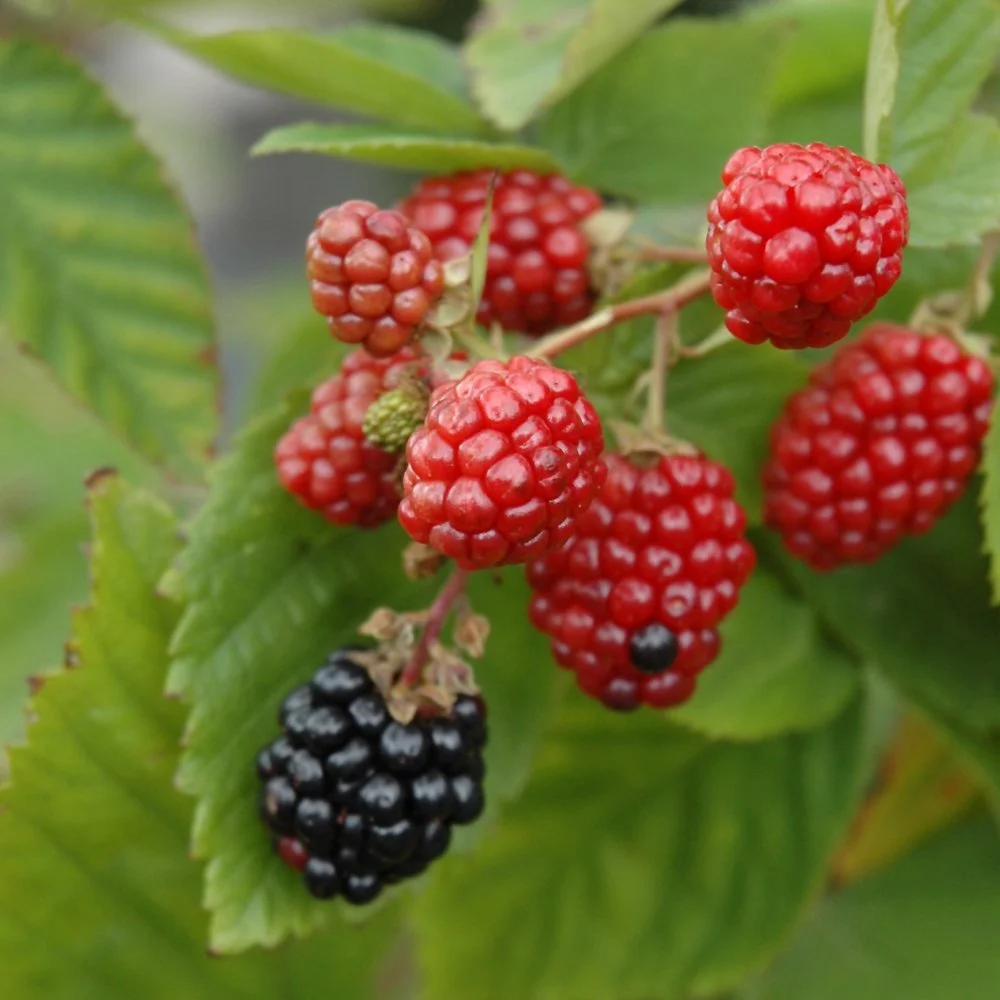
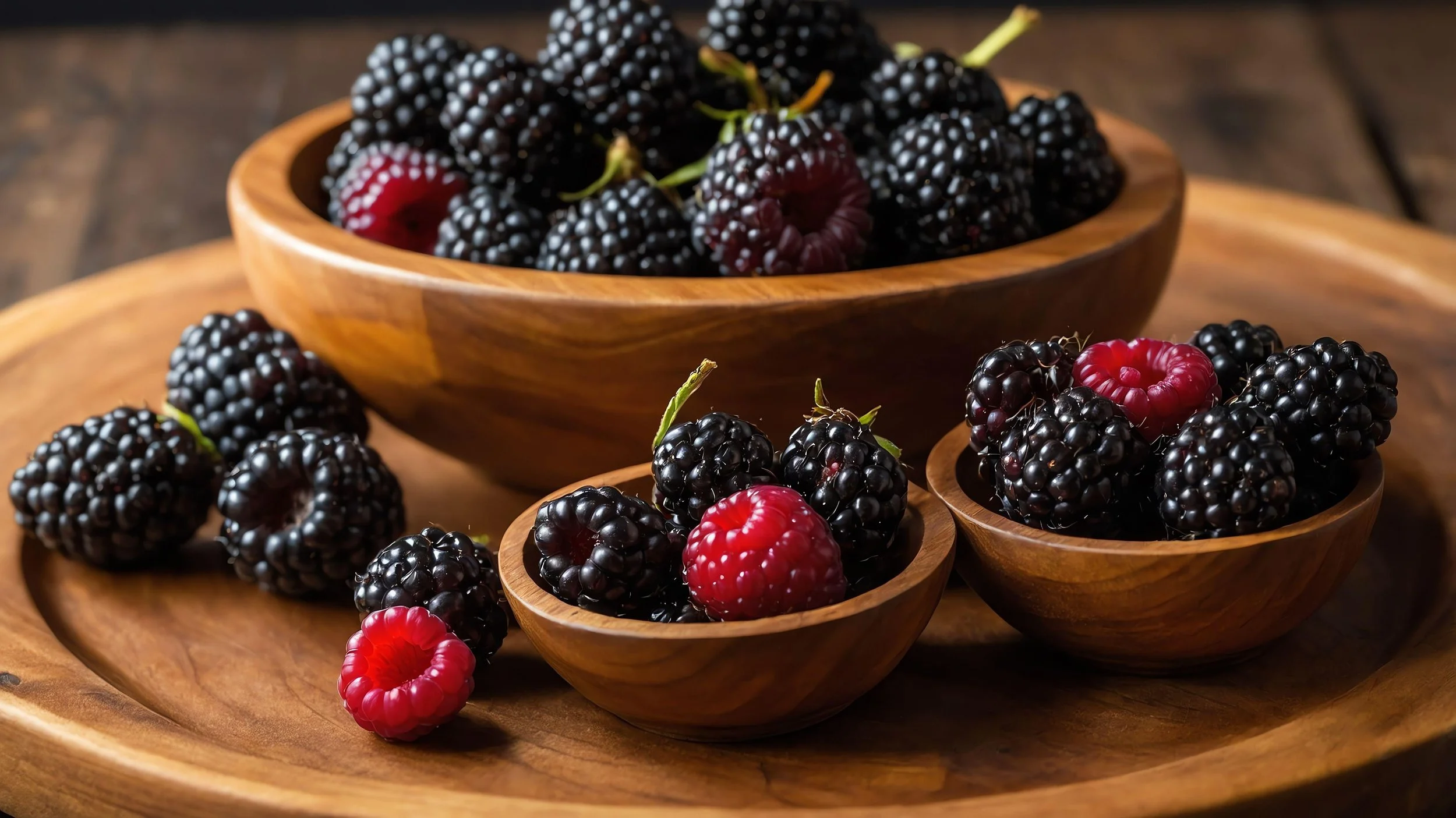
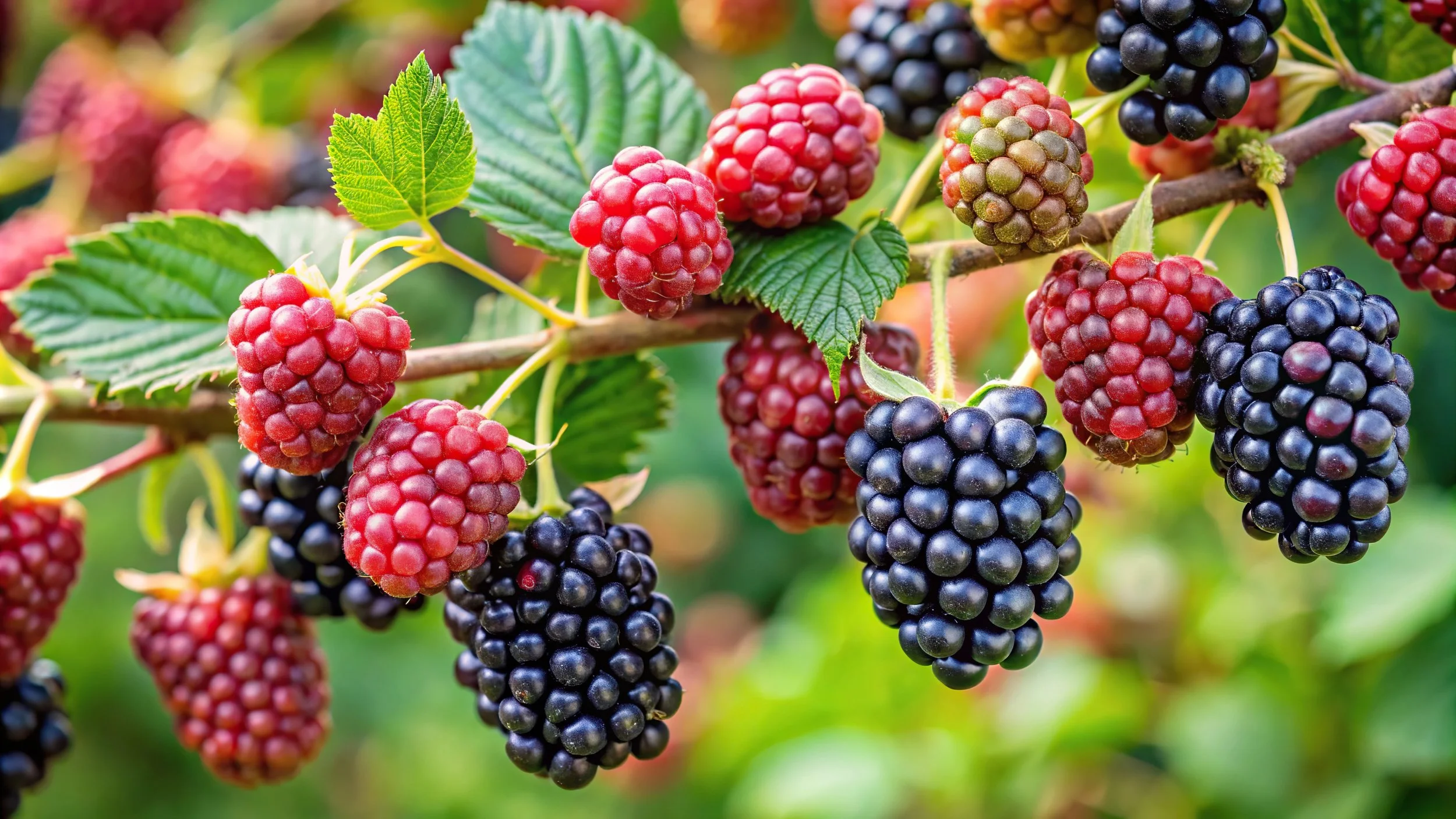
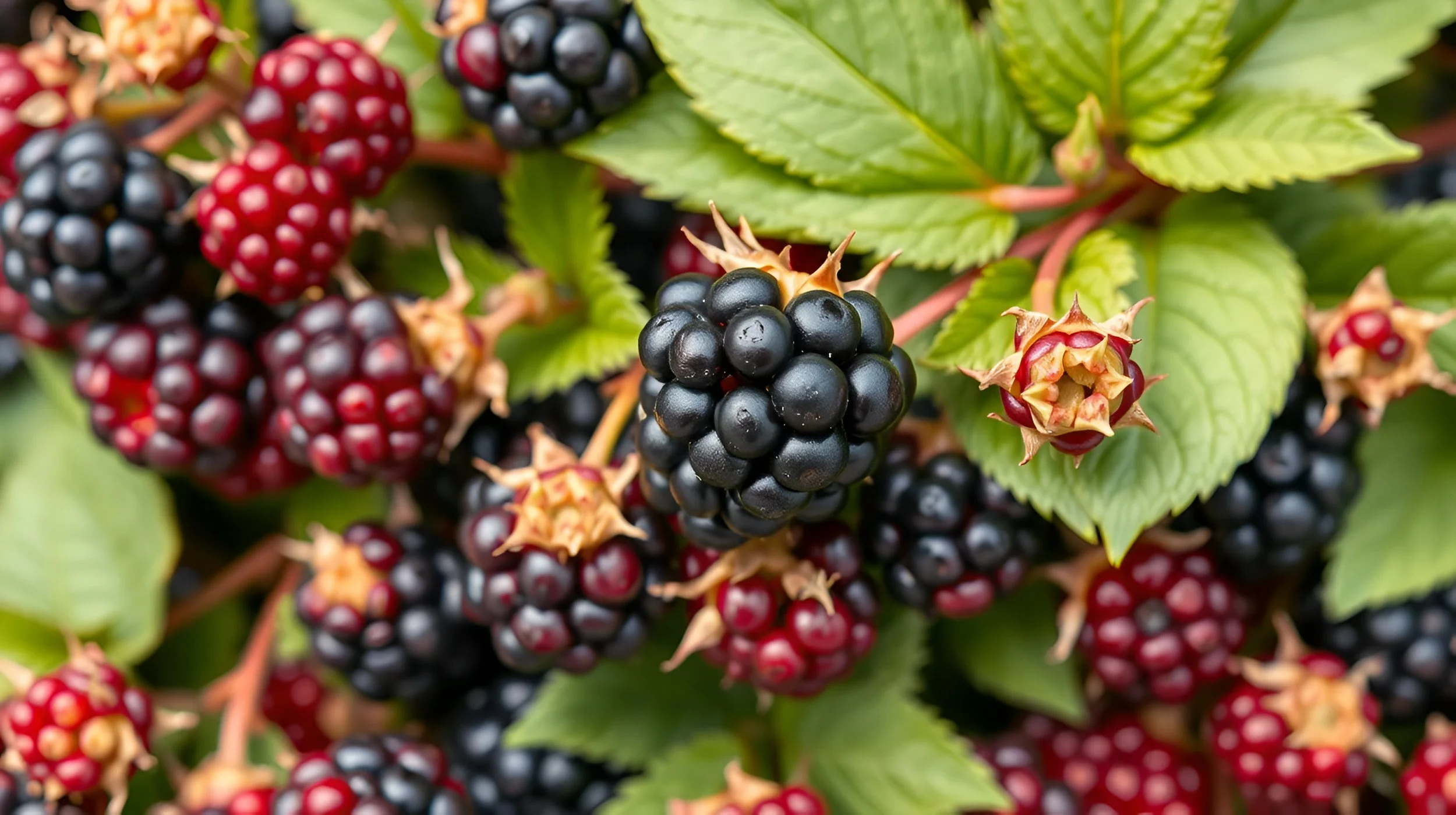
Thornless Berries
~ Lists may not reflect our current available stock ~
Everbearing Berries
~ Lists may not reflect our current available stock ~
Combine Berry variety List
~ Lists may not reflect our current available stock ~
Growing tips
Site Selection and Soil
Brambles grow and fruit best in a sunny location. Although brambles tolerate a broad range of soil types, they require soil with good drainage. Do not plant these berries in sites where water accumulates after a rainfall. If this is not possible, plant in a raised bed at least 10 inches in height.
Planting:
Soil preparation is very important since these plants will remain in the garden and will produce fruit for years to come. Amend the soil heavily with a quality soil amendment and work in to a depth of 7-8 inches. Set plants 24-30 inches apart to form a row or group in a triangle with 18 inch sides if you would like to form a clump. Plant 1-2 inches deeper than what these plants are grown in the nursery container. Hold off on adding any starter fertilizer or additional manure until one month after planting.
Feeding:
Brambles become very susceptible to disease and borer infestation when over fertilized. Feed minimally with a low nitrogen fertilizer such as a “Tomato and Veggie” blend. Side-dress with 2-3” of a well aged compost in late winter or early spring.
Irrigation:
If you water regularly between bloom and harvest, you will increase yield, fruit size, and fruit flavor. Watering should be done roughly once a week to every 10 days for established plants. When watering, do so early enough in the day to allow your plants to dry before the evening; plants and fruit which remain wet during the night are more susceptible to diseases like powdery mildew.
Trickle irrigation is particularly well suited to berry crops and is an effective and efficient way of watering. The best technique uses soaker or emitter lines which run the length of the row on both sides of the plants.
Pruning:
Pruning has a major effect on the quantity and quality of the fruit your plants will provide. The type of pruning used affects growth rate, fruit number, size, and sweetness as well as the plants susceptibility to diseases.
Primocane Fruiting Raspberries
This type of raspberry plant produces fruit at the top of first year canes in late summer and on the lower portion of these same canes in early summer of the following year. Most home growers choose the extended fruiting season that these berries provide but pruning is more complicated and involves thinning the first year canes and removing the 2nd year canes after harvesting the early crop.
To simplify pruning, sacrifice the early summer crop in favor of a single higher-quality late summer crop. When pruning primocane fruiting raspberry plants for a single late season crop, cut all canes to the ground in early spring. It is important to cut old canes as close to the ground as possible so buds break from below the soil surface.
Floricane Fruiting Raspberries & Blackberries
Floricane fruiting types produce buds on second year canes. Unlike primocane fruiting types, canes must remain intact throughout the winter and until the completion of harvest the second year. Cut them at ground level after fruiting. In early spring, the previous years canes are topped to a reasonable height and thinned to a desired number. Diseased or winter-damaged wood should be removed.
Another method used, which simplifies the pruning process, is to cut all of the canes to the ground from 1/2 of the planting. Alternate each year between the two halves. This will limit fruiting to the half containing the two year old canes.
In either method the number of canes permitted to grow should be limited to 4-6 per square foot of row. It is easiest to remove the excess canes when they are young and tender as thier thorns have not fully formed yet.
Trellising:
Many growers of raspberries and blackberries have found that basic trellising is necessary. One system that works well consists of T- shaped wooden or metal posts which are spaced 10-12 feet apart and approximately 4-5 feet tall with 2-3-foot cross arms. The end of each cross arm contains a screw eye or other device that holds bailing wire that has been pulled taught and anchored on the ends. The canes should be trained up through the wires; canes growing outside the wires should be removed.
Harvest:
Raspberries do not keep well on the plant and must be harvested every 2 or 3 days. Expect a small crop the first year after planting. Production reaches its peak the third year after planting and slowly declines in subsequent years. Many gardeners choose to replant after 10 years.
To store raspberries for later use, proper post-harvest care is critical. Select only berries in good condition and immediately cool them to as close to 33 degrees F as possible. All berries are best when used fresh and typically will not store for more then a few days. Do not rinse the berries until you are ready to use them. Freeze individually on a cookie sheet, then store in a zipper sealed bag.
Vigorous, mounded to spreading growth to 3-4 feet in height and 6 foot wide; stake or trellis to keep upright.
Very large, firm, sweet, red fruit ripens in the spring and again in the fall.
Best fruit production with regular summer water. Tolerant of most any soil. Will not tolerate salt spray or salty soils.
The fruit is produced on 2nd year growth; prune to balance the current year's growth with the previous year's growth; remove the 3 year old canes.